On 2nd October 2021, at around 6:50 PM, Mr. Ilavarasan, (46-year-old male) , a bus conductor, met with a tragic road traffic accident while returning home on his two-wheeler after completing his shift.
He collided with an over-speeding vehicle coming from the opposite direction and sustained severe injuries. He was initially taken to Cuddalore Government Hospital, where first aid and emergency treatment were provided.
Due to the severity of injuries, his attenders decided to shift him to a higher center for advanced care and management.
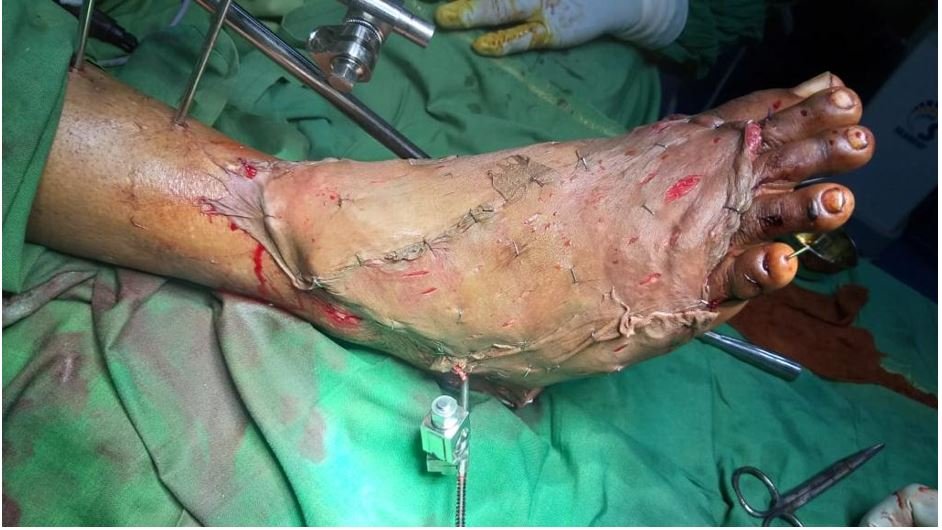
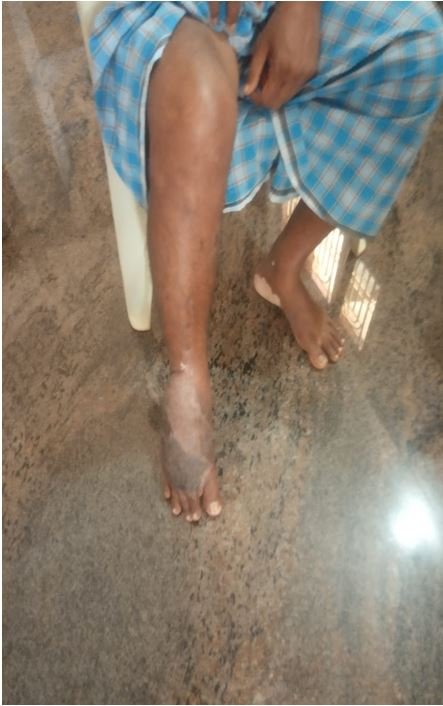
Impaired vascularity, fractures of 1st, 2nd, 3rd and 4th metatarsals, and ankle joint avulsion injury.
Right hand 3rd finger near-total amputation requiring urgent surgical intervention and microsurgical techniques.
Right mid-shaft clavicle fracture requiring Open Reduction and Internal Fixation (ORIF) procedure.
Our emergency trauma team was immediately mobilized, and the patient was stabilized and prepared for surgery. The surgery was initiated at around 1:30 AM and planned in a two-stage process.
Wound debridement and K-wire fixation of the 1st, 2nd, 3rd and 4th metatarsals were performed by the Plastic Surgery Team led by Dr. Vijayaraghavan.
ORIF (Open Reduction and Internal Fixation) with clavicle plating was performed by the Orthopaedic Team led by Dr. V. Veerappan.
The coordinated efforts of both surgical teams ensured comprehensive management of all injuries in a single surgical session.
Patient arrived at POSH Hospital after initial stabilization at Cuddalore Government Hospital. Emergency assessment and diagnostic imaging performed.
Two-stage surgical procedure performed: Wound debridement with K-wire fixation by Plastic Surgery Team and ORIF with clavicle plating by Orthopaedic Team.
Wound appeared healthy. External fixation of right ankle along with flap cover of right foot performed by Plastic Surgery Team.
Patient discharged with oral medications, wound care instructions, and physiotherapy guidance. Scheduled for follow-up and external fixator removal.
Readmitted for external fixator removal. Aggressive physiotherapy initiated by Chief Physiotherapist Dr. Murugaraj and team.
At POSH Hospital, we believe every minute after trauma matters. Through timely emergency care, expert surgical management, and structured rehabilitation, we strive to transform trauma into recovery and give our patients a second chance at life.
POSH Hospital – Turning the Golden Hour of Trauma into the Golden Period of Life.
"This Hospital Saved My Leg and My Life" – A Grateful Journey of Recovery
❞Mr. Dayendhiran, a 21-year-old B.A. (Economics) student from the Sri Lankan Refugee Camp at Keezhuputhupattu, Villupuram, never imagined his life would change in an instant.
Coming from a humble background — with his father bedridden, his mother managing the household, and his elder brother working as a centering laborer — he was the first in his family to pursue higher education.
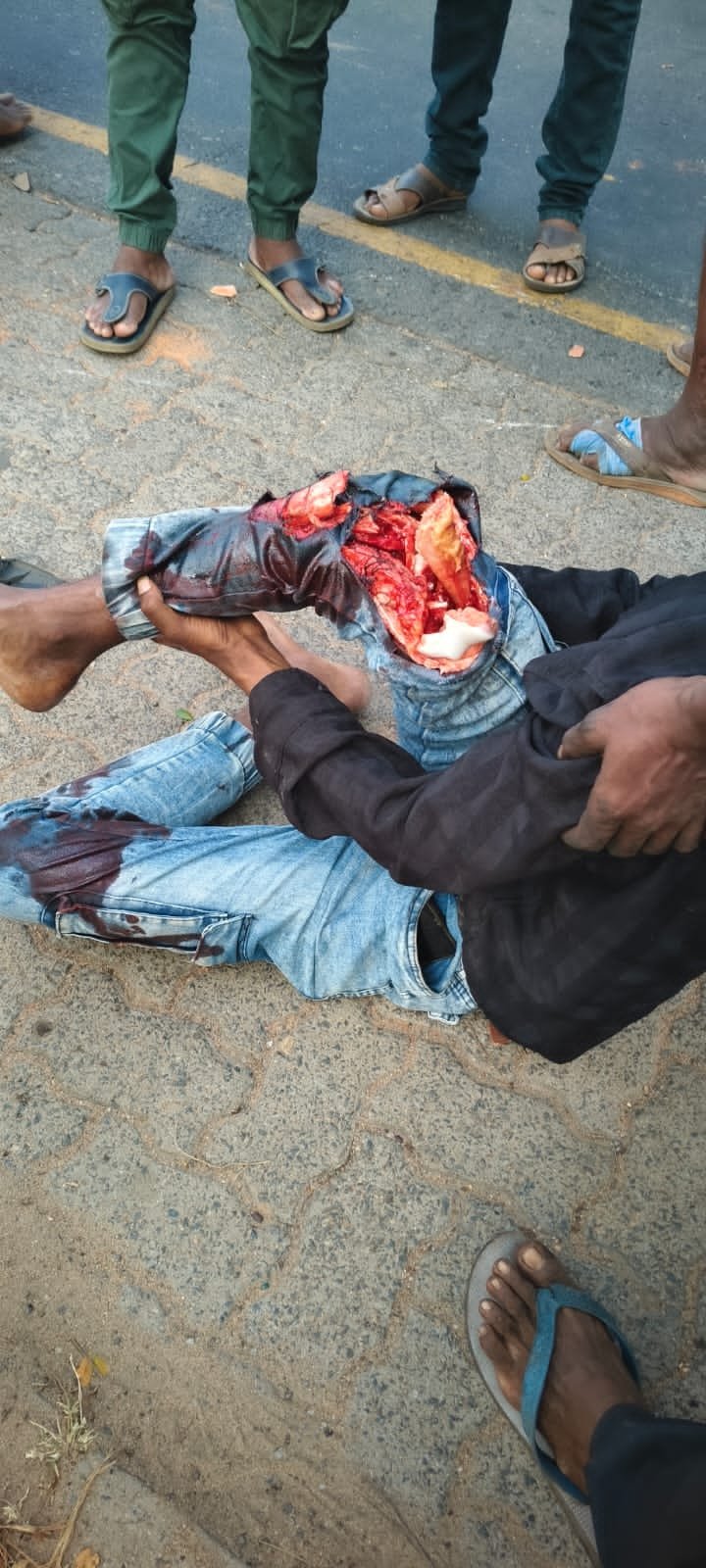
On April 1st, 2025, at around 5:30 PM, near Manjakuppam, a road traffic accident involving a two-wheeler and a four-wheeler left Dayendhiran with devastating leg injuries.
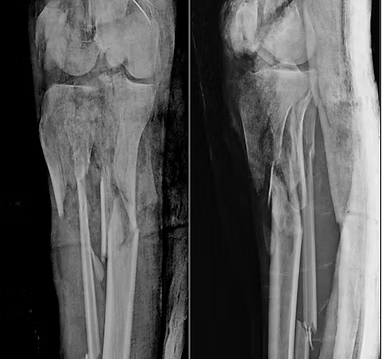
He was taken to three private hospitals, where doctors predicted a 90% chance of right leg amputation.
"At that moment, I thought my life was over."
In a desperate bid for hope, his family brought him to POSH Hospital, Puducherry — a decision that would save not just his leg, but his future.
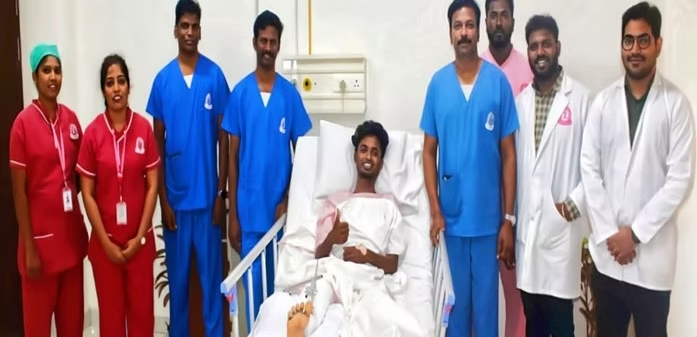
"I got my leg back. I got my life back. This hospital truly saved me."
Dayendhiran expressed heartfelt gratitude to the doctors, nurses, and hospital staff who treated him like family.
Chief Orthopaedic & Spine Surgeon
Vascular & Plastic Surgeon
Anaesthesiologist
Trauma & Limb Reconstruction
Arthroplasty Specialist
Now on the path to recovery, Dayendhiran is determined to complete his studies and support his family. His journey stands as a powerful reminder of the importance of timely trauma care and compassionate medicine.
THE POSH - Pondy Ortho Speciality Hospital – Turning the Golden Hour of Trauma into the Golden Period of Life.
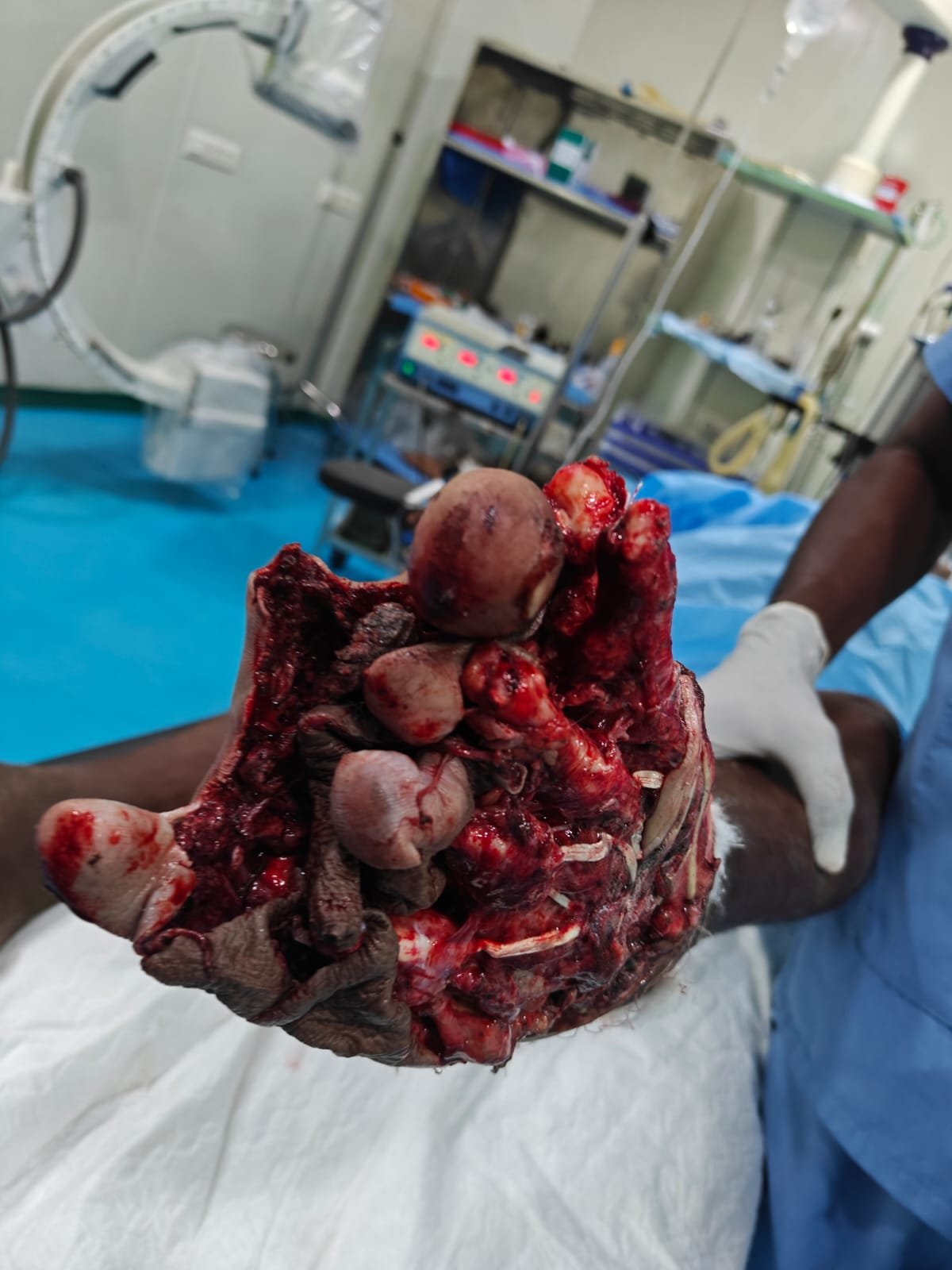
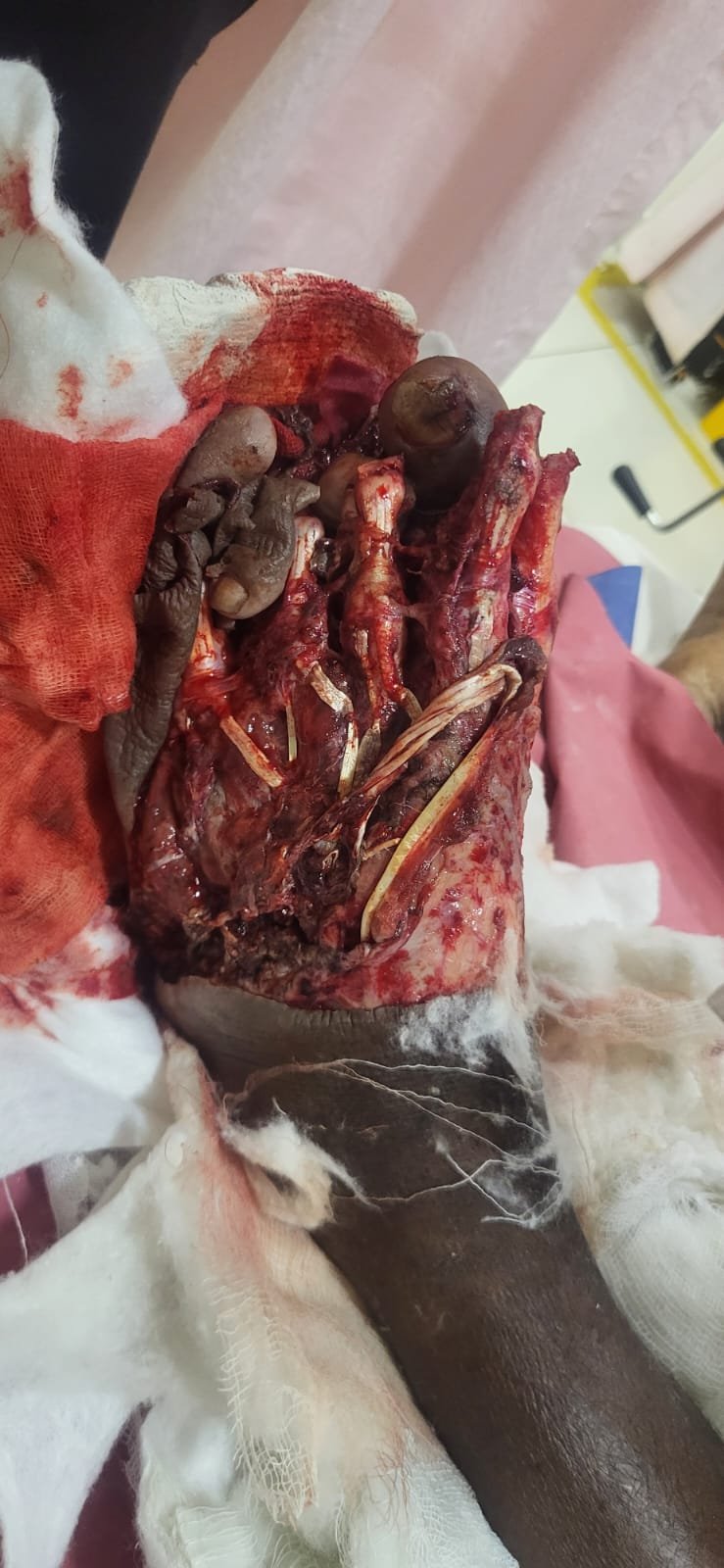
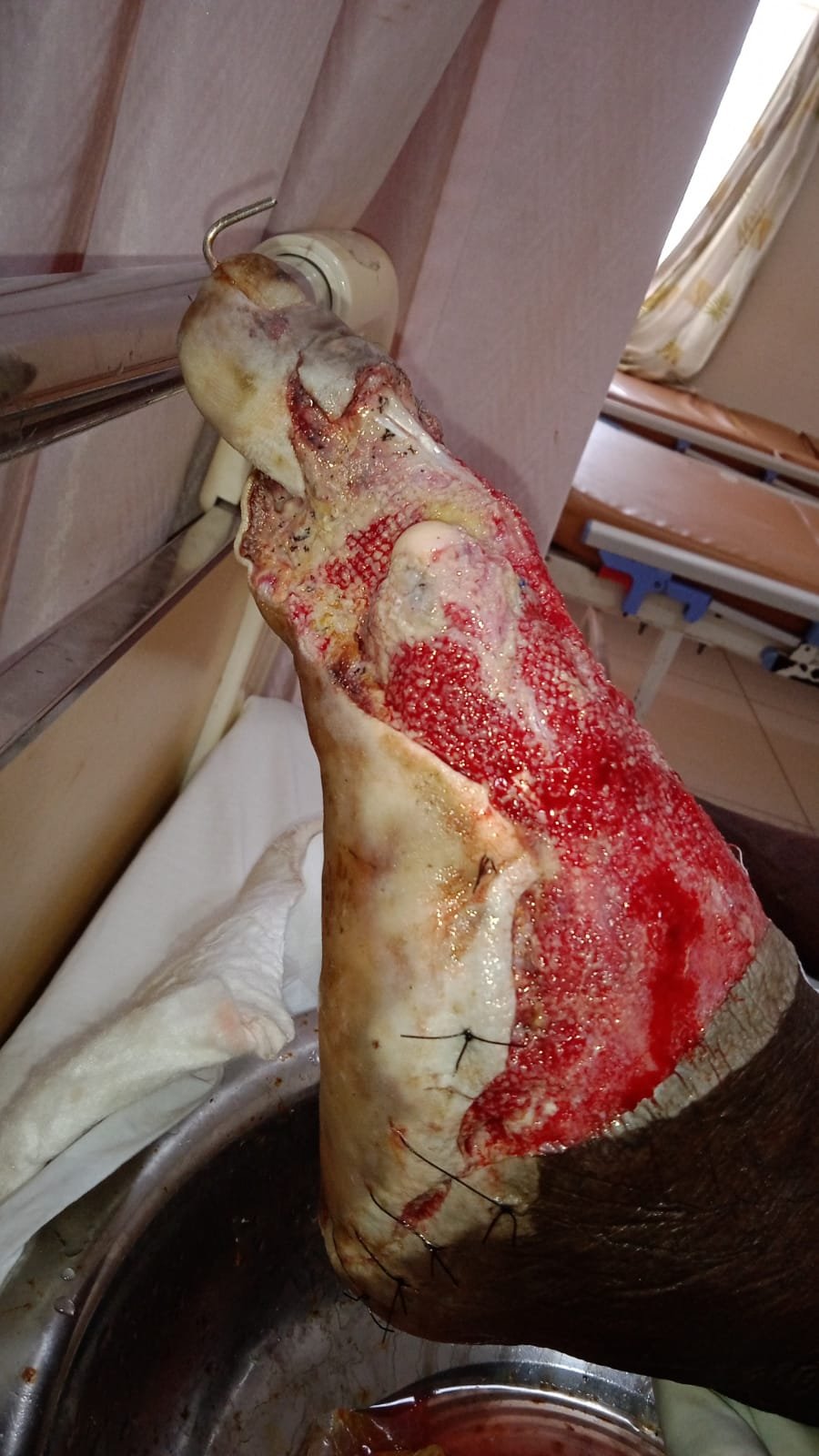
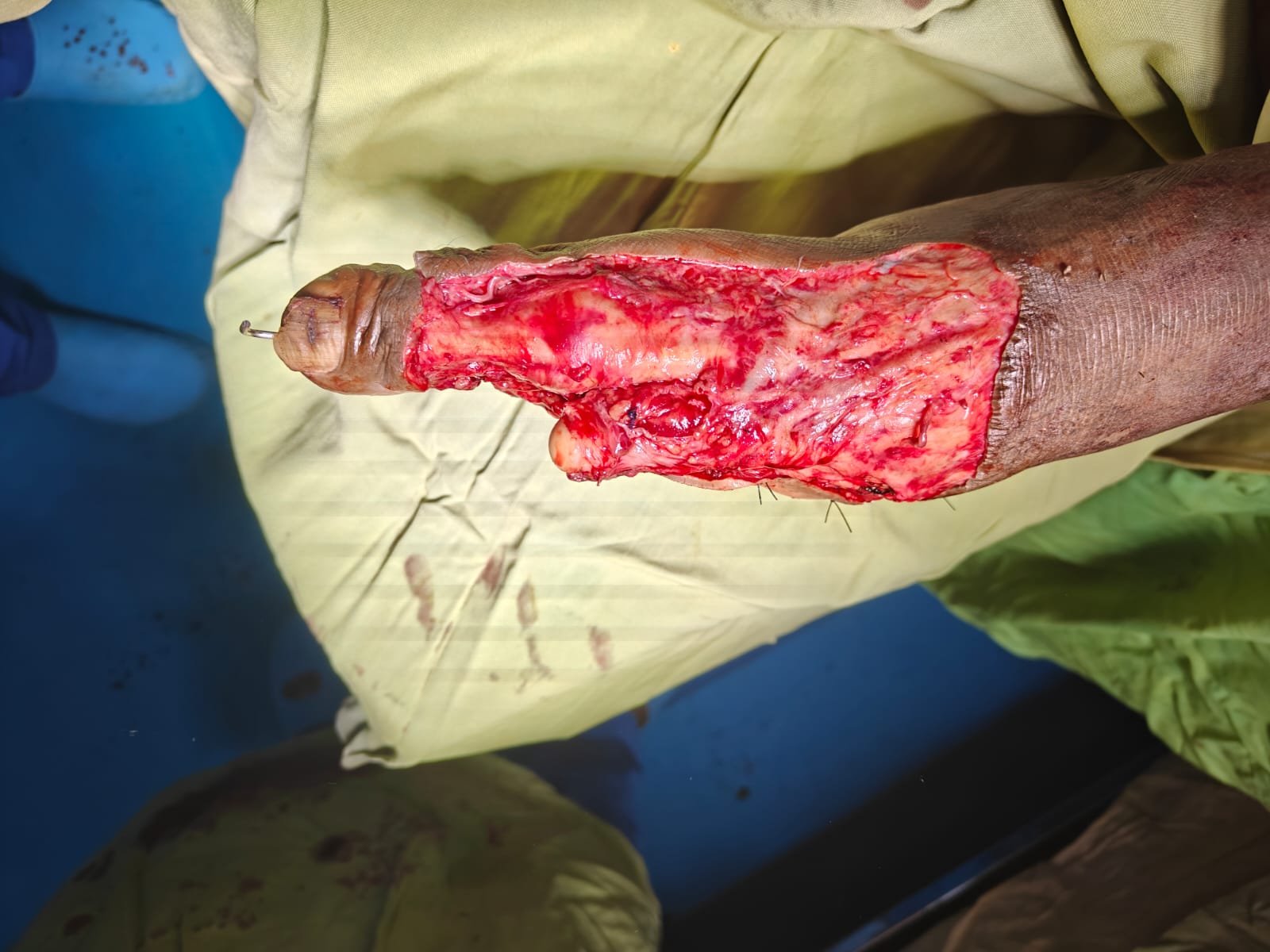
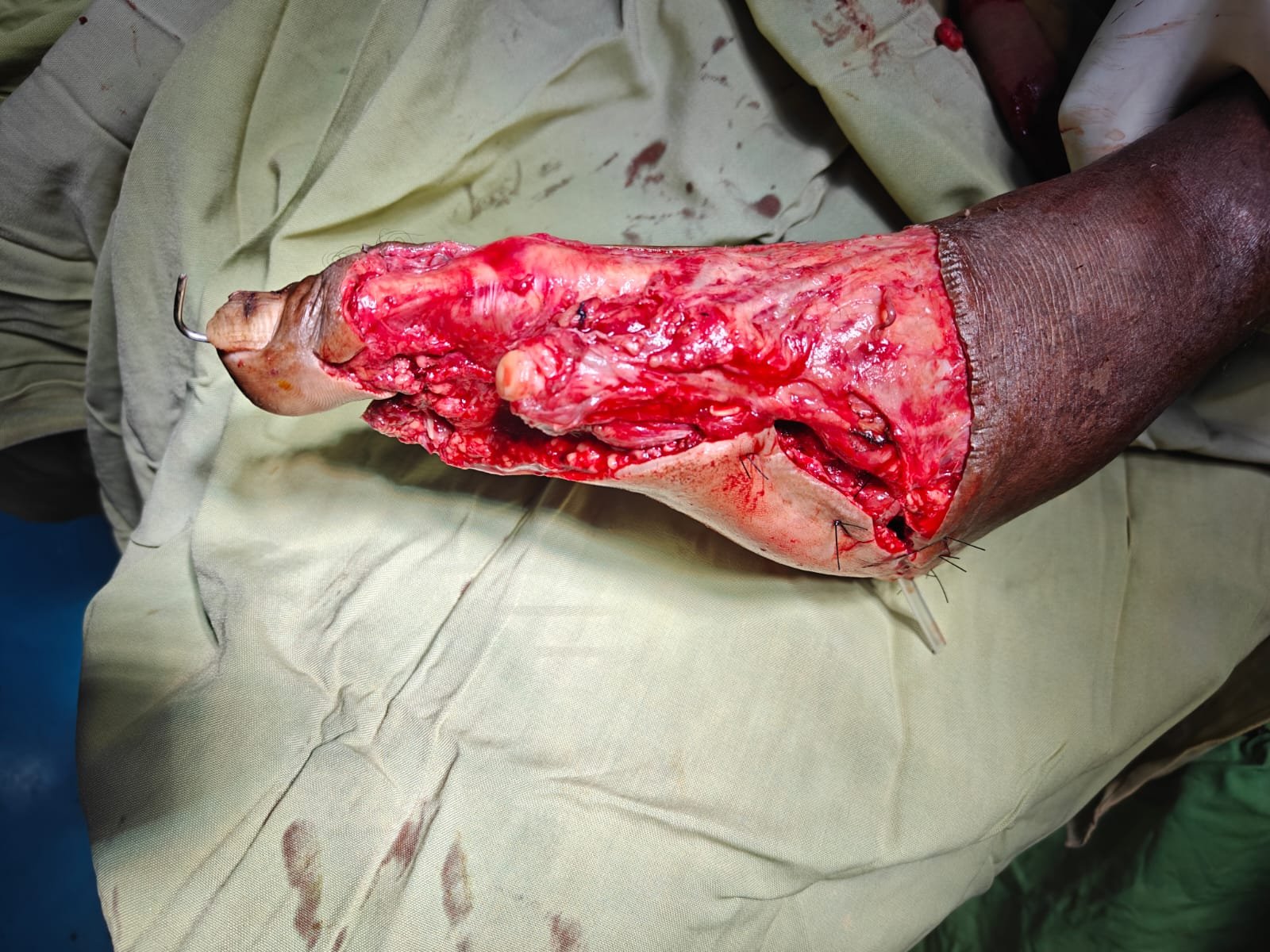
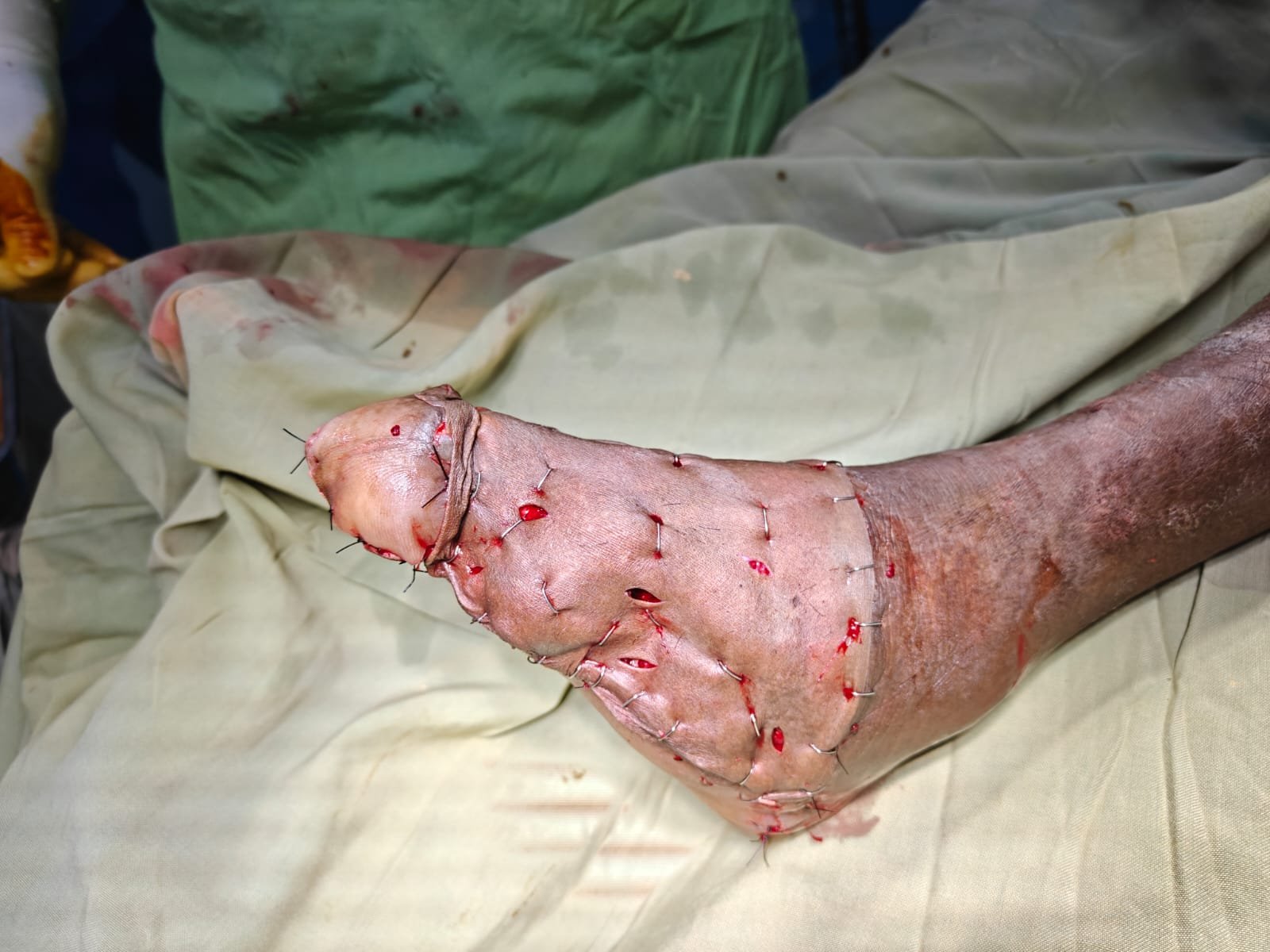
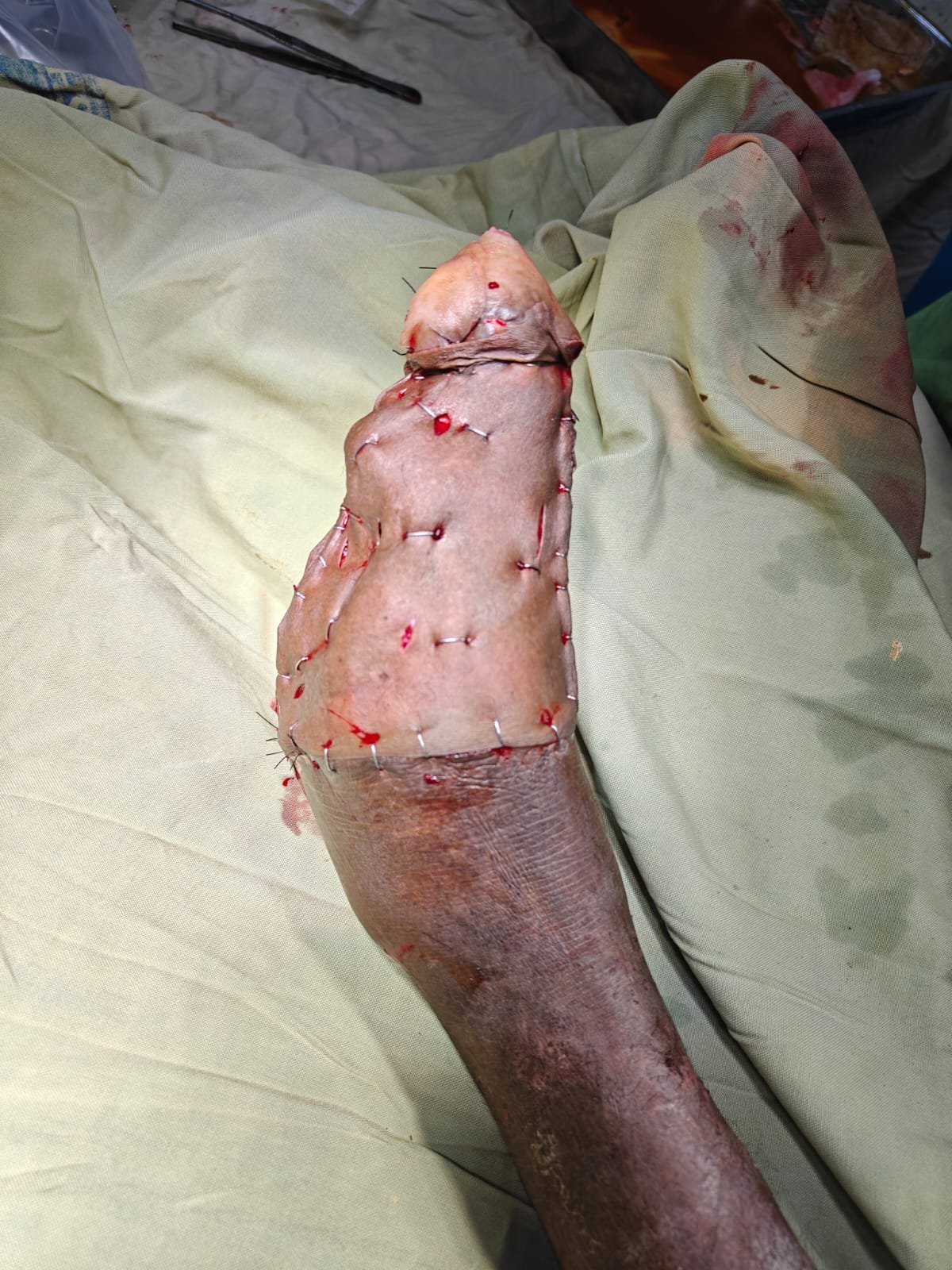
A patient presented to our hospital with a history of a JCB run-over injury to the left foot, resulting in a severe crush injury with extensive soft tissue loss, exposed tendons and bones, and contamination of the wound. Considering the severity of the injury, the patient underwent emergency surgical debridement to remove all dead and contaminated tissues. This was followed by multiple serial debridements and regular wound care to control infection and promote healthy granulation tissue formation. Once a healthy wound bed was achieved, reconstructive surgery was performed to provide soft tissue coverage and preserve the remaining foot. With staged surgical management, meticulous wound care, and limb salvage procedures, the wound healed satisfactorily, and major amputation was successfully avoided. The patient achieved good recovery with preservation of the limb and functional outcome.
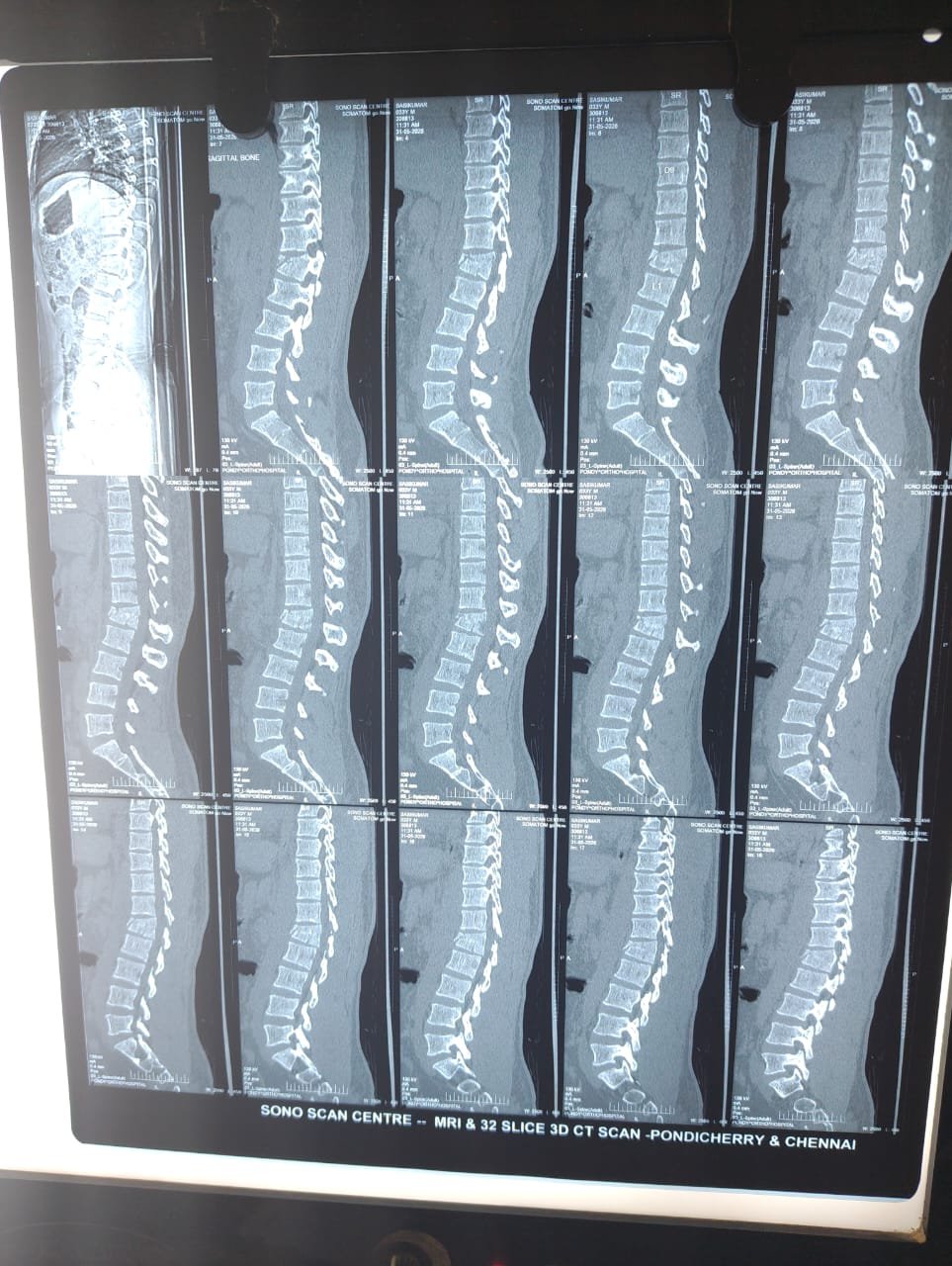
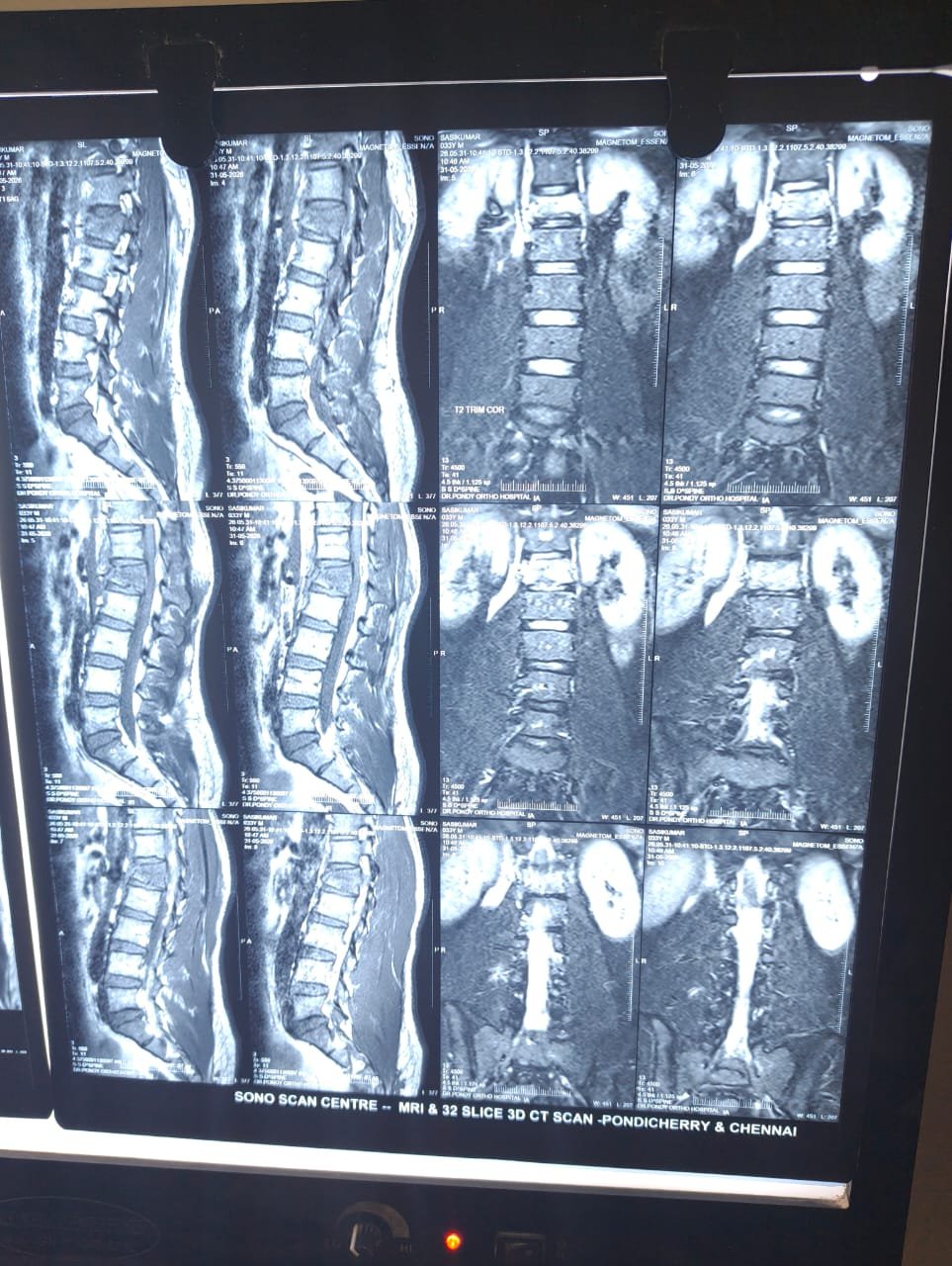
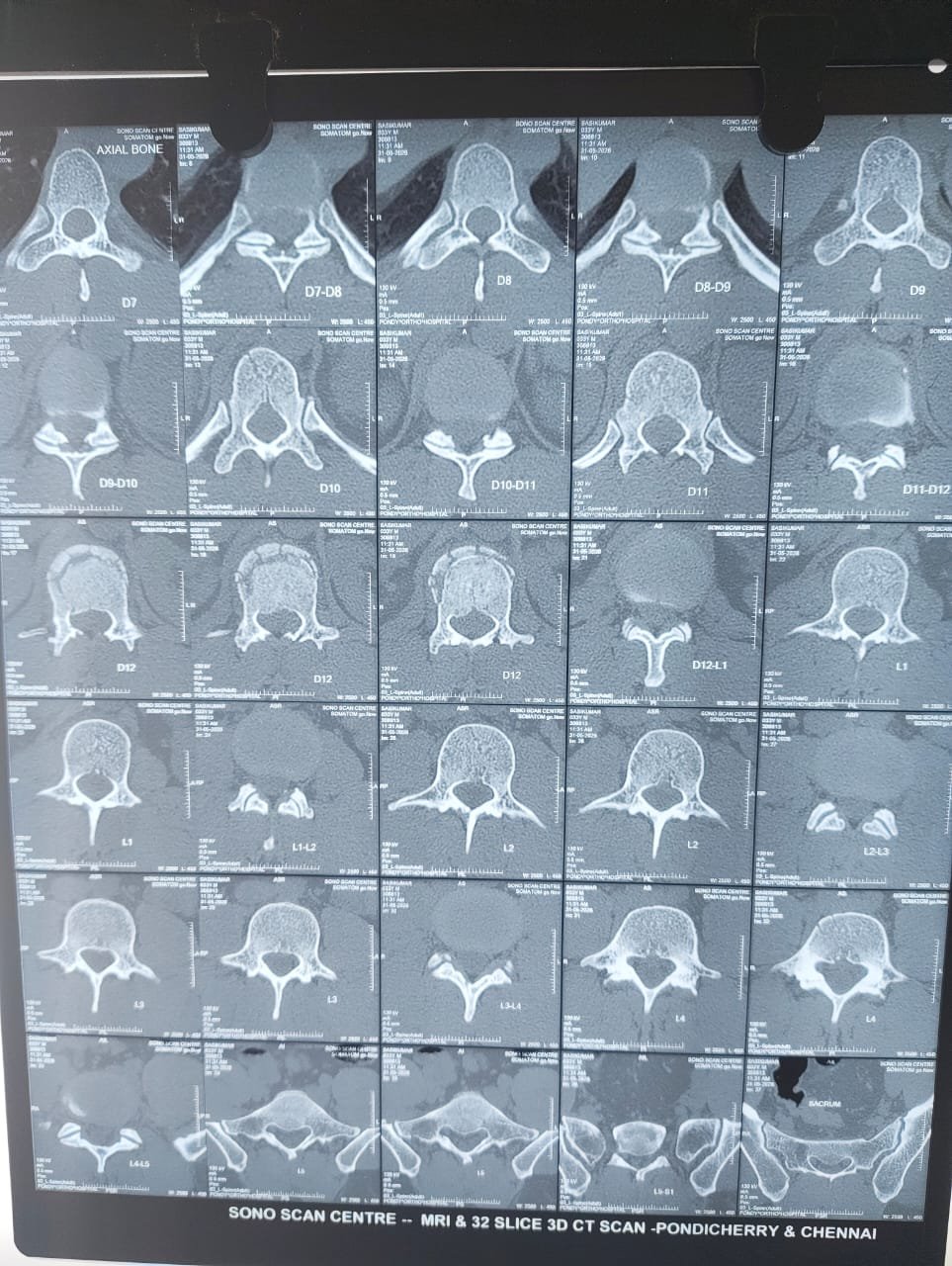
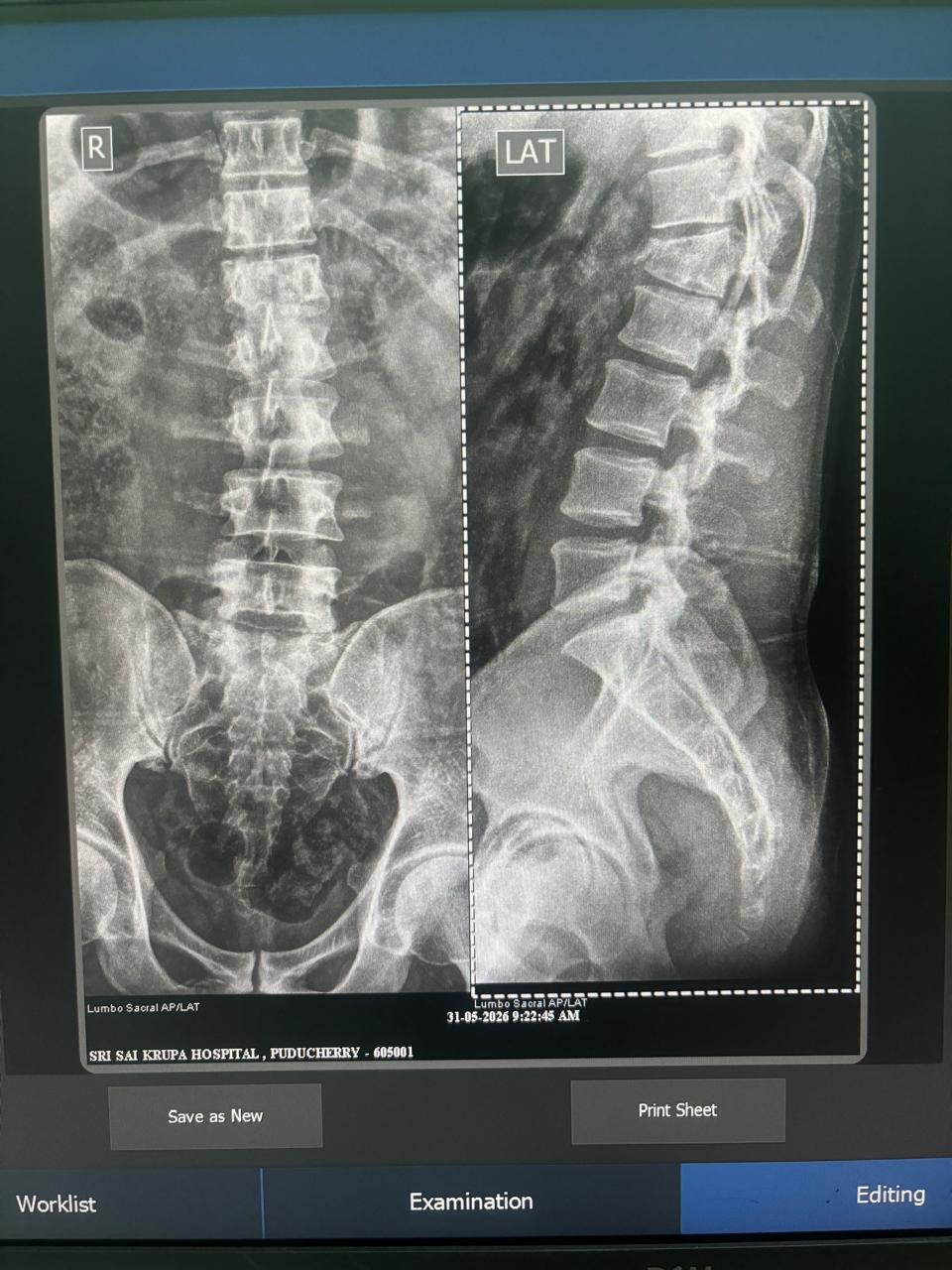
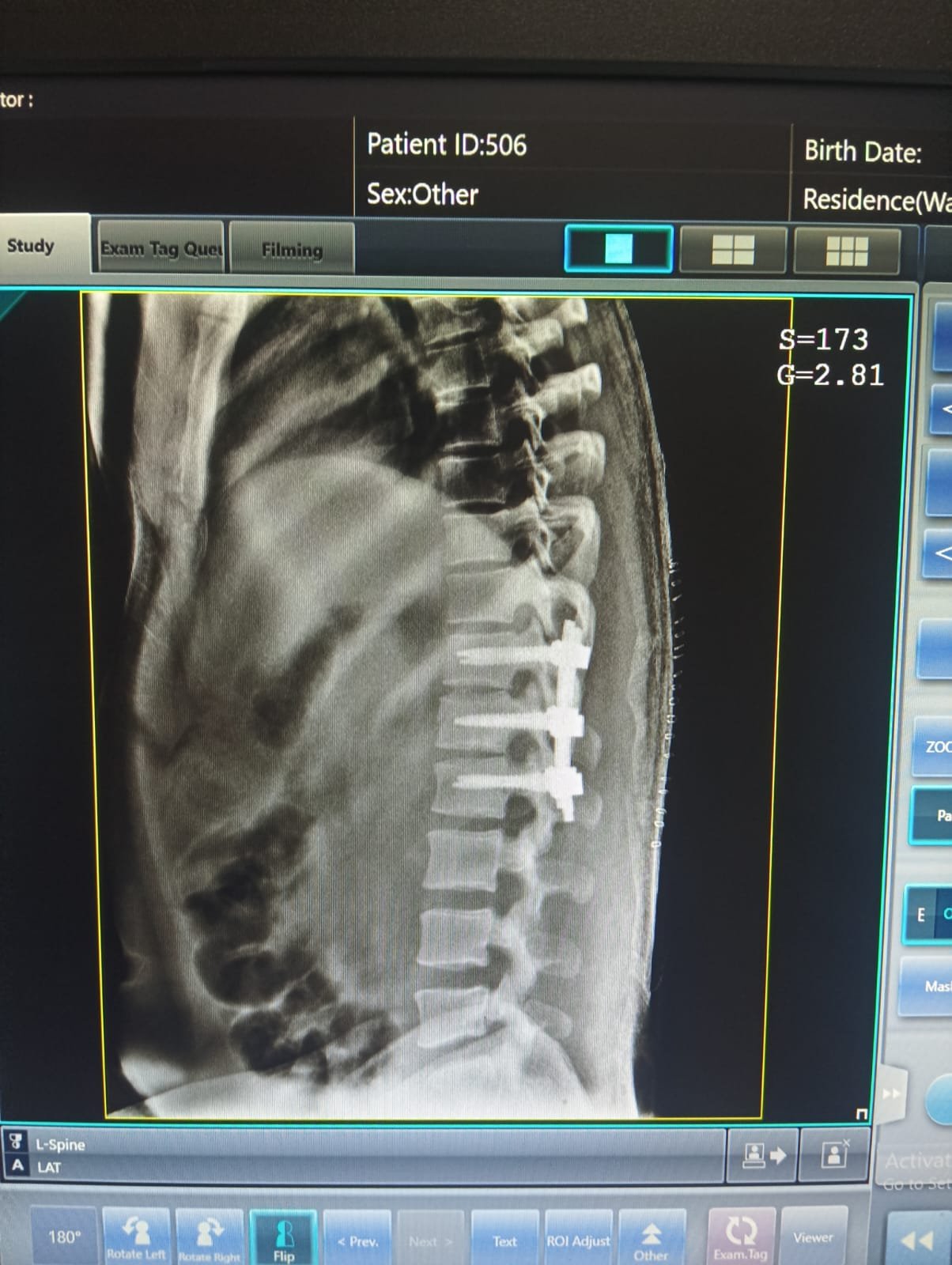
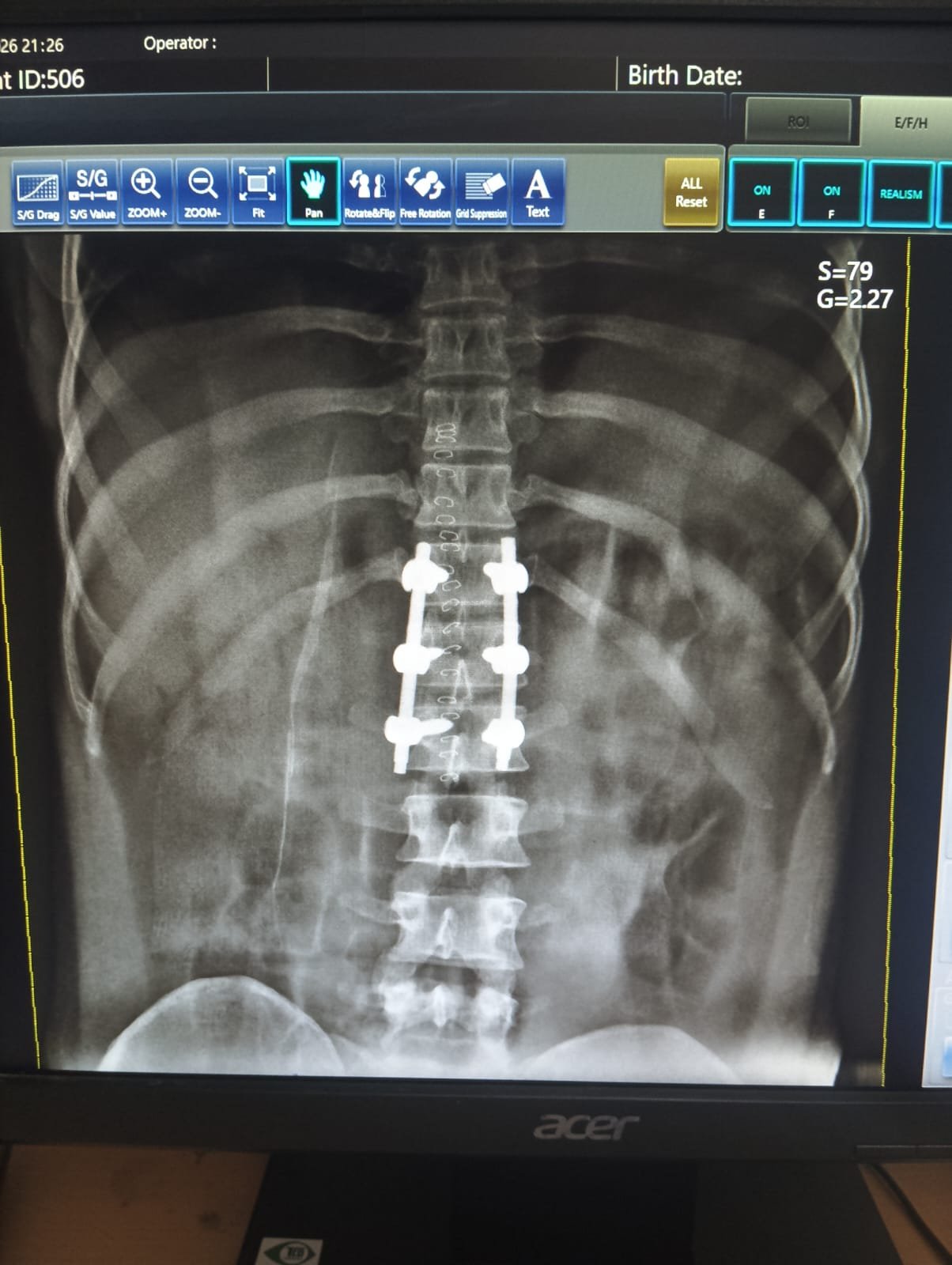
A patient presented following a fall from height and complained of severe back pain with difficulty in mobilization. Initial radiographs and MRI of the thoracolumbar spine revealed an L1 vertebral compression fracture with approximately 40% loss of vertebral body height. There was significant collapse of the L1 vertebra, indicating an unstable thoracolumbar injury. Considering the degree of vertebral height loss and instability, the patient underwent posterior spinal stabilization with pedicle screw fixation involving D12, L1, and L2 vertebrae. The procedure was performed successfully, achieving satisfactory fracture reduction and restoration of vertebral alignment. Postoperative radiographs demonstrated excellent implant positioning and restoration of the fractured vertebral body, with approximately 95% of the original L1 vertebral height maintained. The patient had good postoperative recovery with significant pain relief and improved spinal stability, allowing early mobilization and rehabilitation. This case highlights the effectiveness of pedicle screw fixation in managing unstable thoracolumbar compression fractures, providing excellent restoration of vertebral height, spinal alignment, and functional recovery.
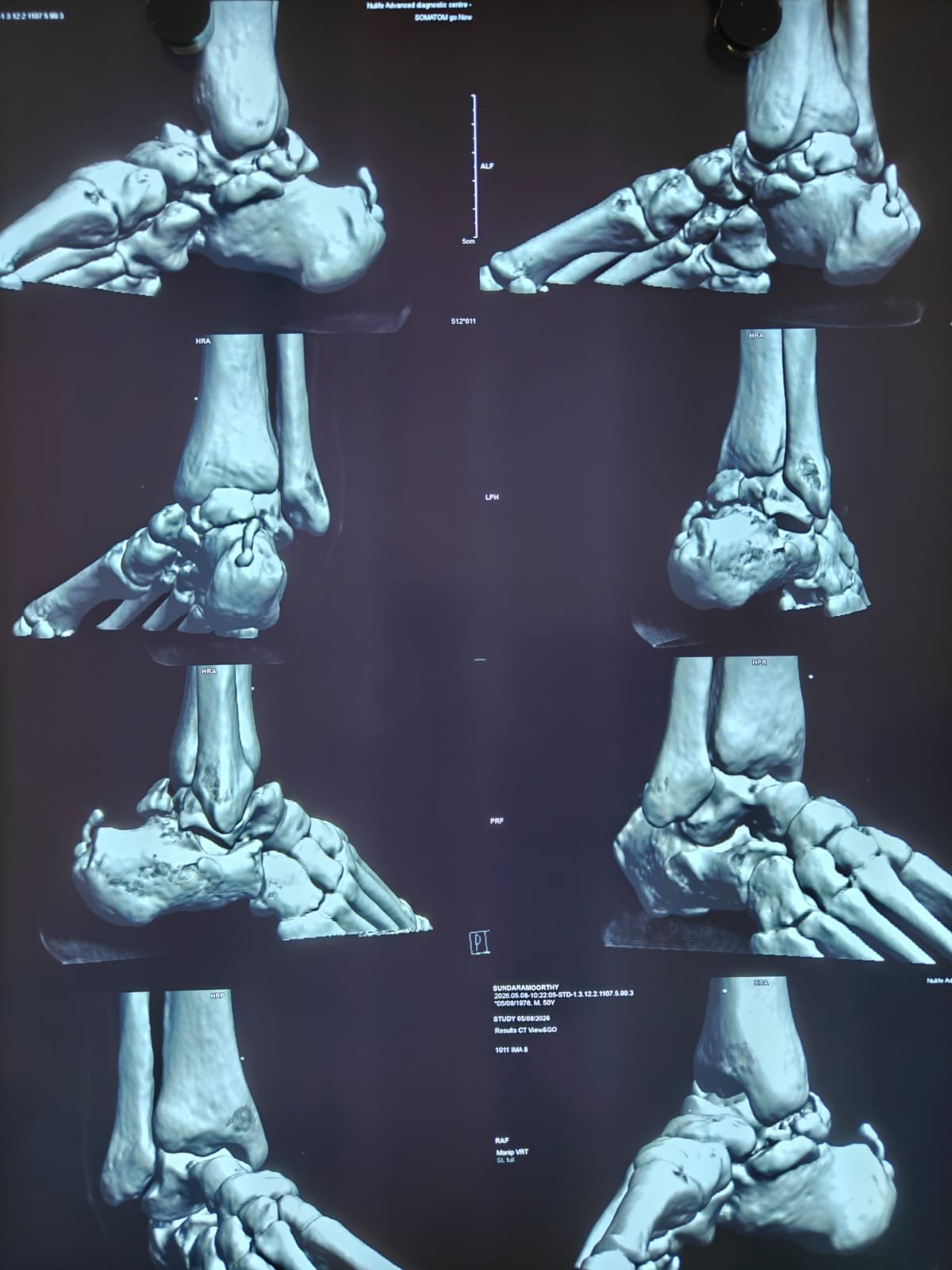
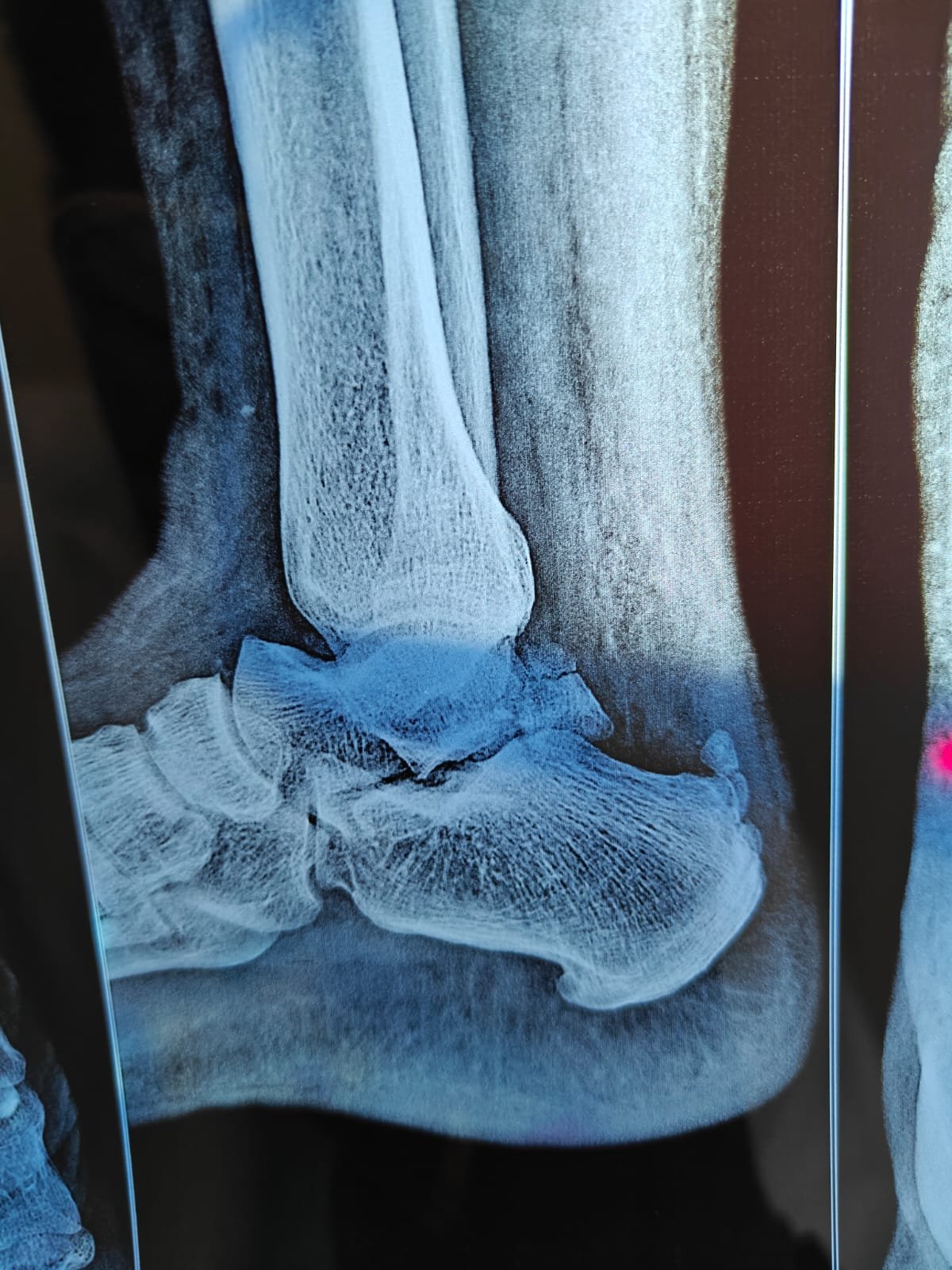
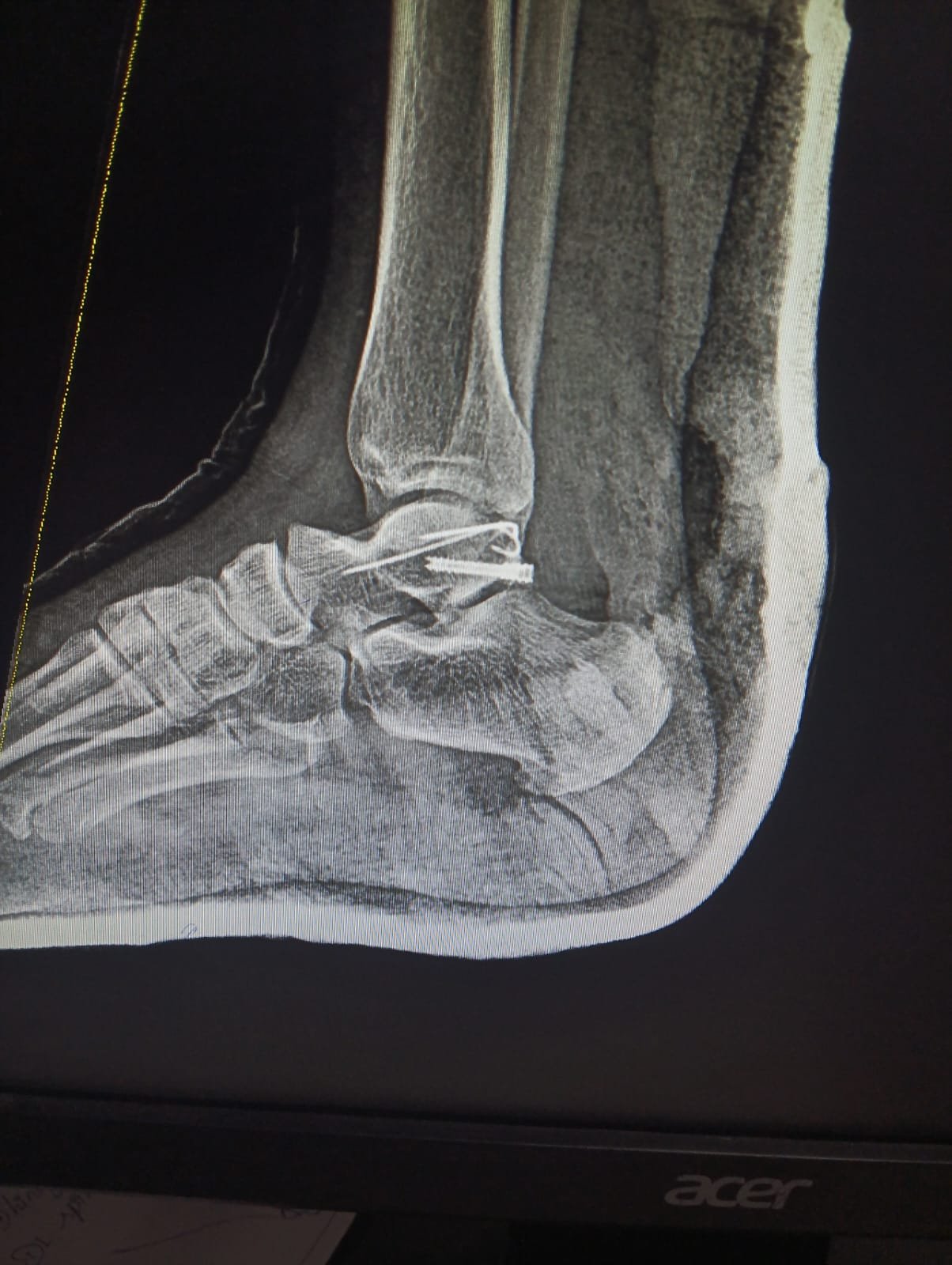
A patient presented with a history of a fall and sustained a displaced talus fracture, resulting in severe ankle pain and difficulty in walking. X-rays and CT scans confirmed the fracture, and the patient underwent surgical fixation using Herbert screws to achieve anatomical reduction and stable fixation. Postoperative X-rays showed satisfactory alignment of the talus. The patient was started on a rehabilitation program with gradual ankle mobilization. At one-month follow-up, the patient was pain-free, able to walk comfortably, and had good ankle movement. Follow-up imaging confirmed maintenance of fracture reduction and implant position. This case demonstrates that timely surgical fixation with Herbert screws can provide stable fixation, promote early recovery, and allow pain-free mobilization with excellent functional outcomes.
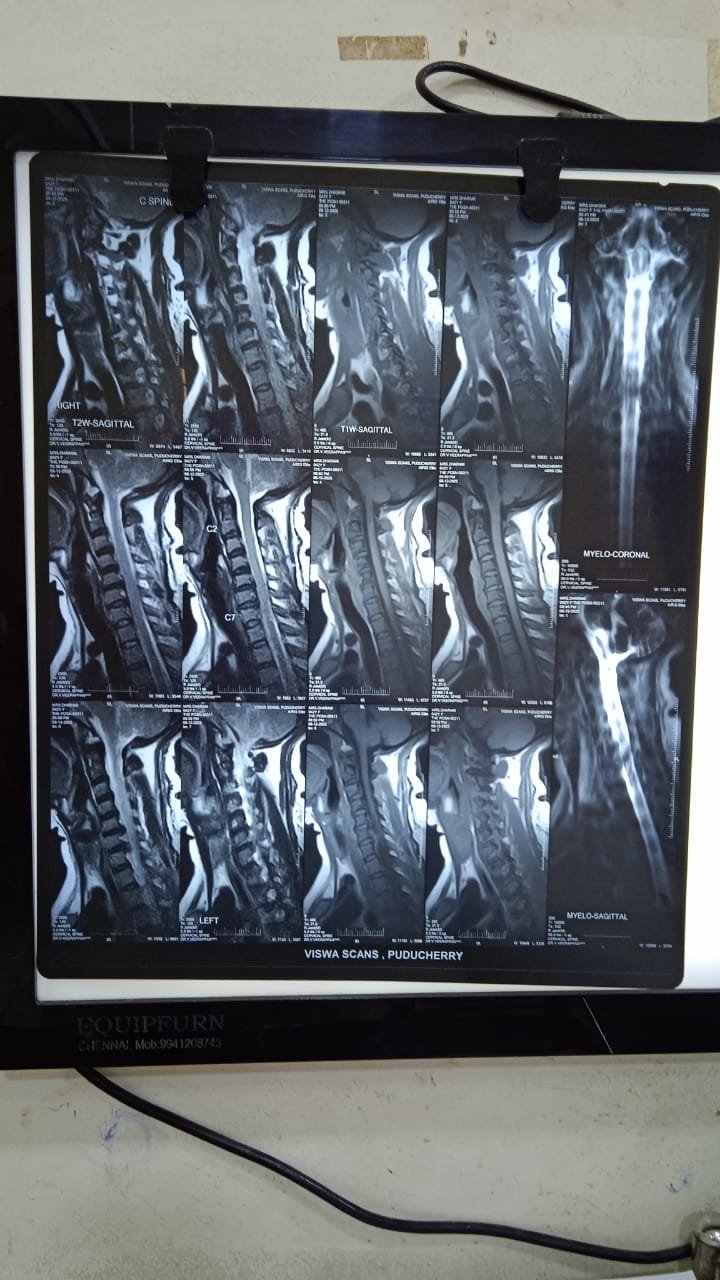
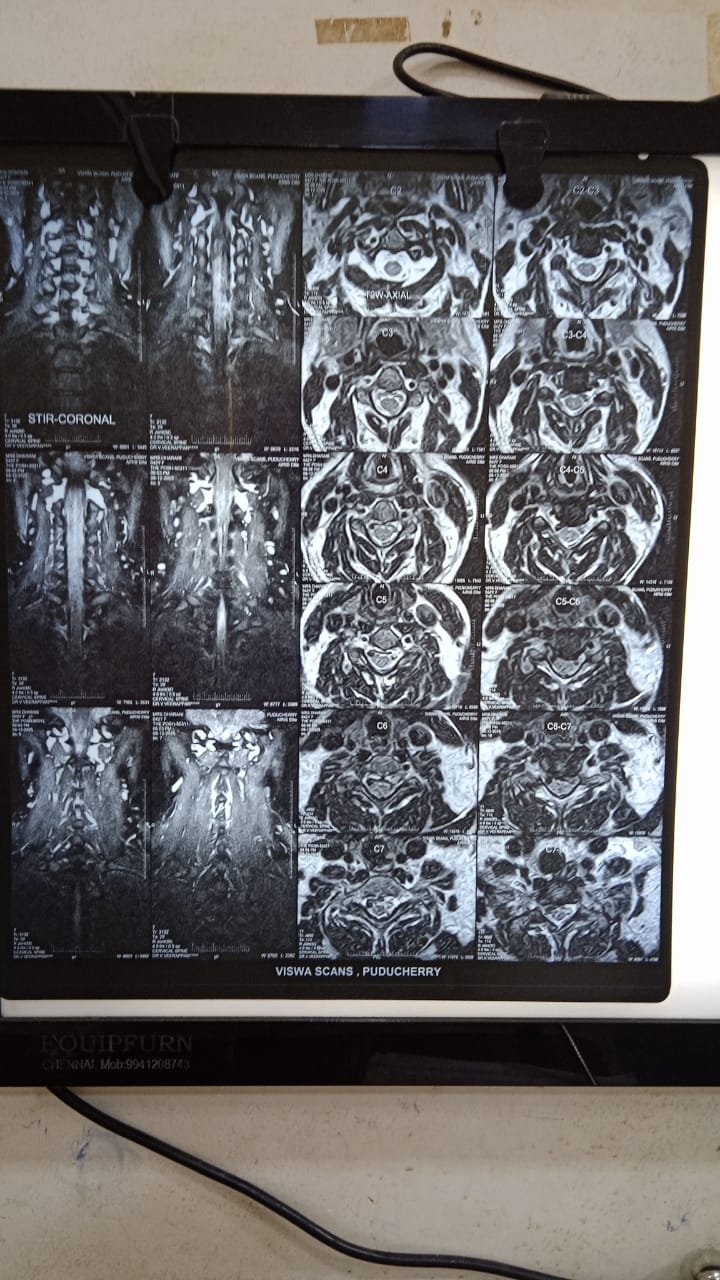
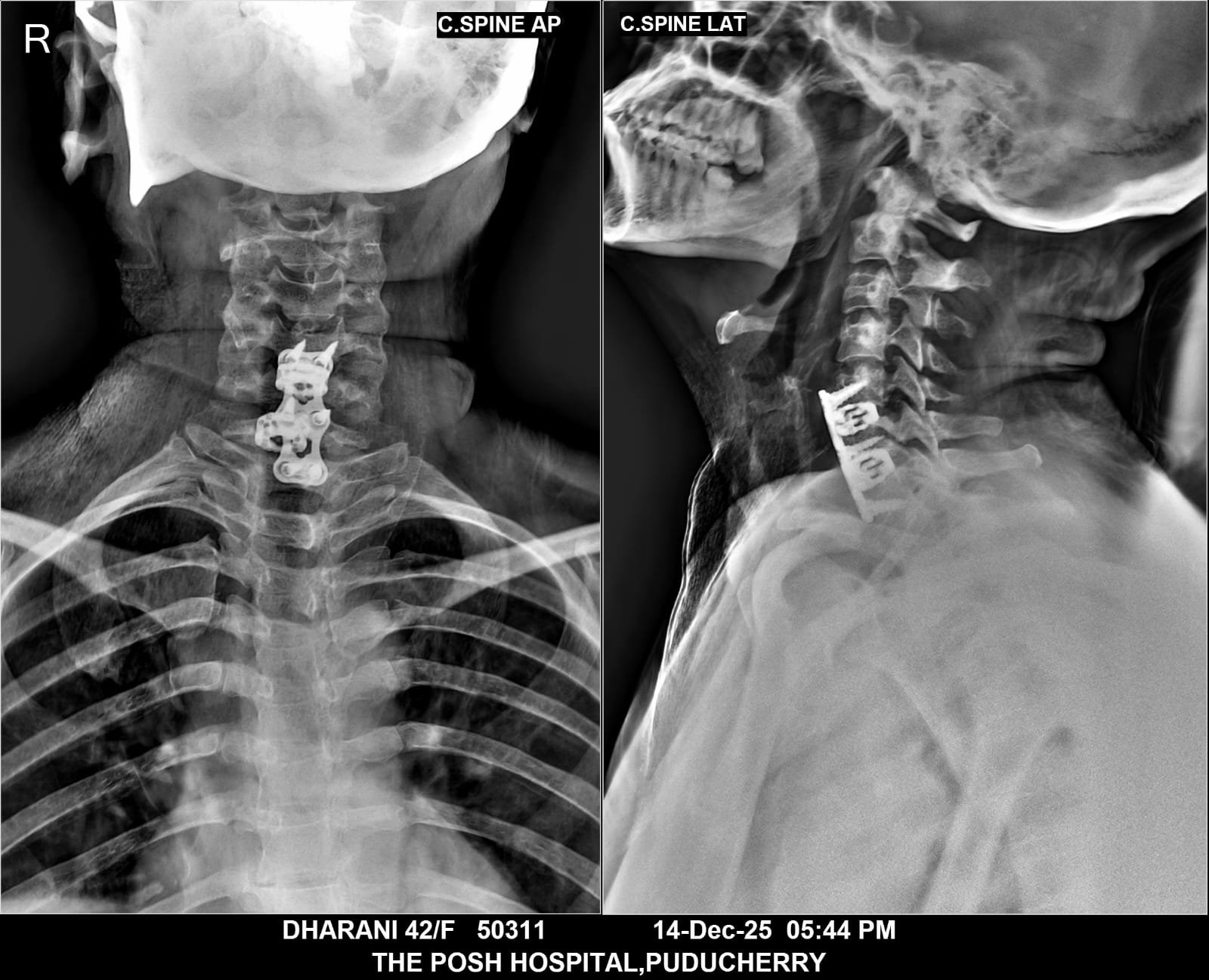
A patient presented with severe neck pain radiating to the left upper limb, associated with numbness and difficulty performing daily activities. Clinical examination and radiological evaluation revealed cervical disc pathology causing nerve root compression. Considering the severity of symptoms and neurological involvement, the patient underwent Anterior Cervical Discectomy and Fusion (ACDF). The procedure was performed successfully to relieve pressure on the affected nerve and stabilize the cervical spine. Following surgery, the patient experienced significant relief from neck pain and arm symptoms. Recovery was smooth, and the patient was able to gradually return to normal daily activities. Follow-up evaluations showed satisfactory clinical improvement and successful postoperative recovery. The patient expressed great satisfaction with the outcome of the surgery and the care received. This case highlights the effectiveness of ACDF in treating cervical disc disorders causing nerve compression and upper limb pain.
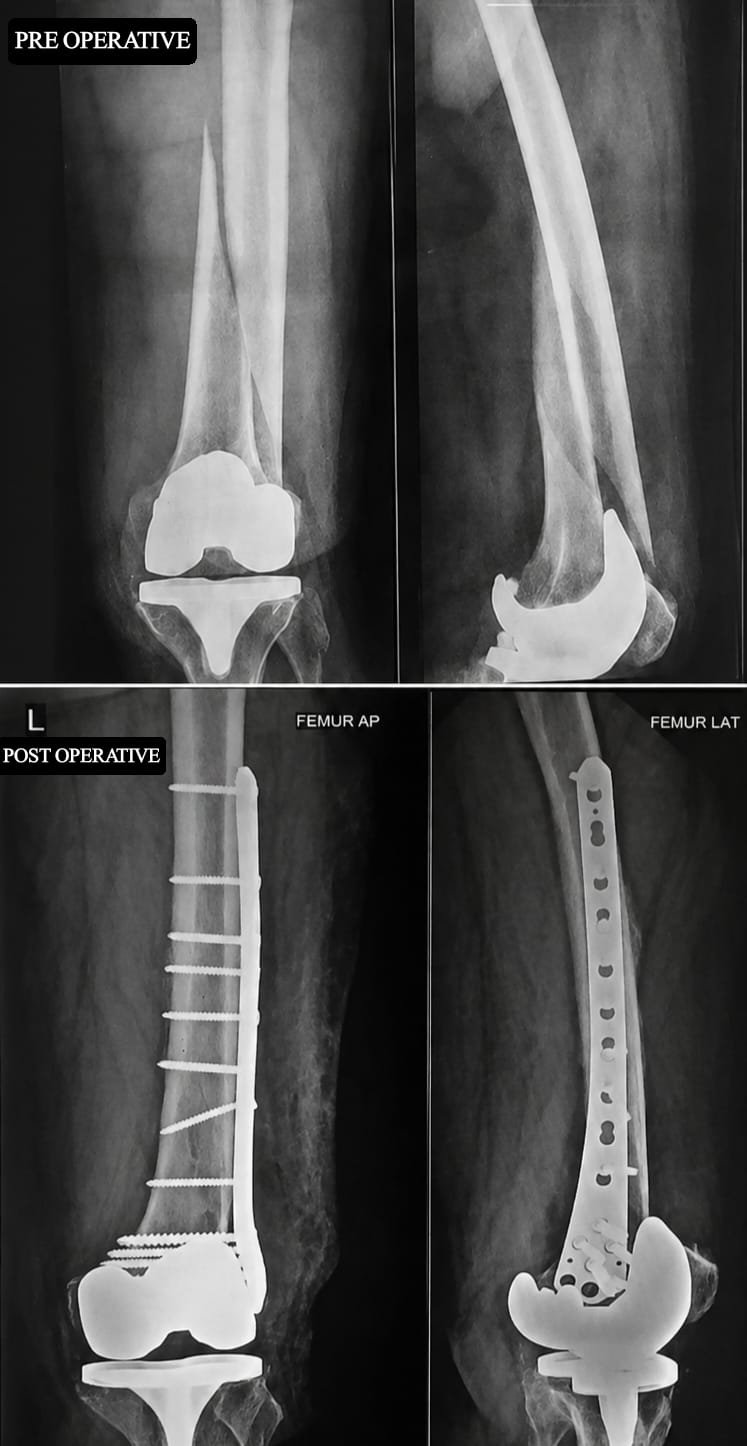
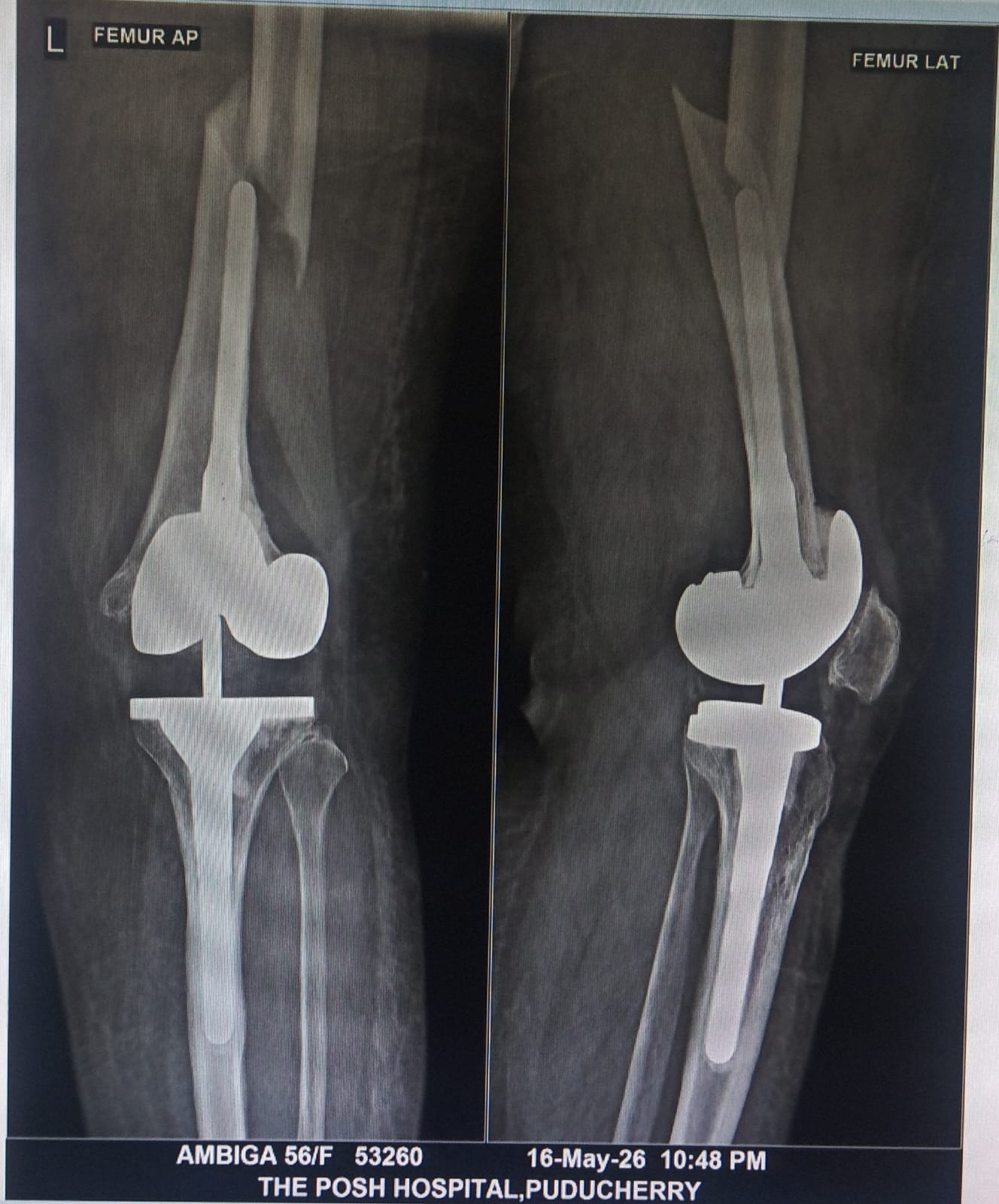
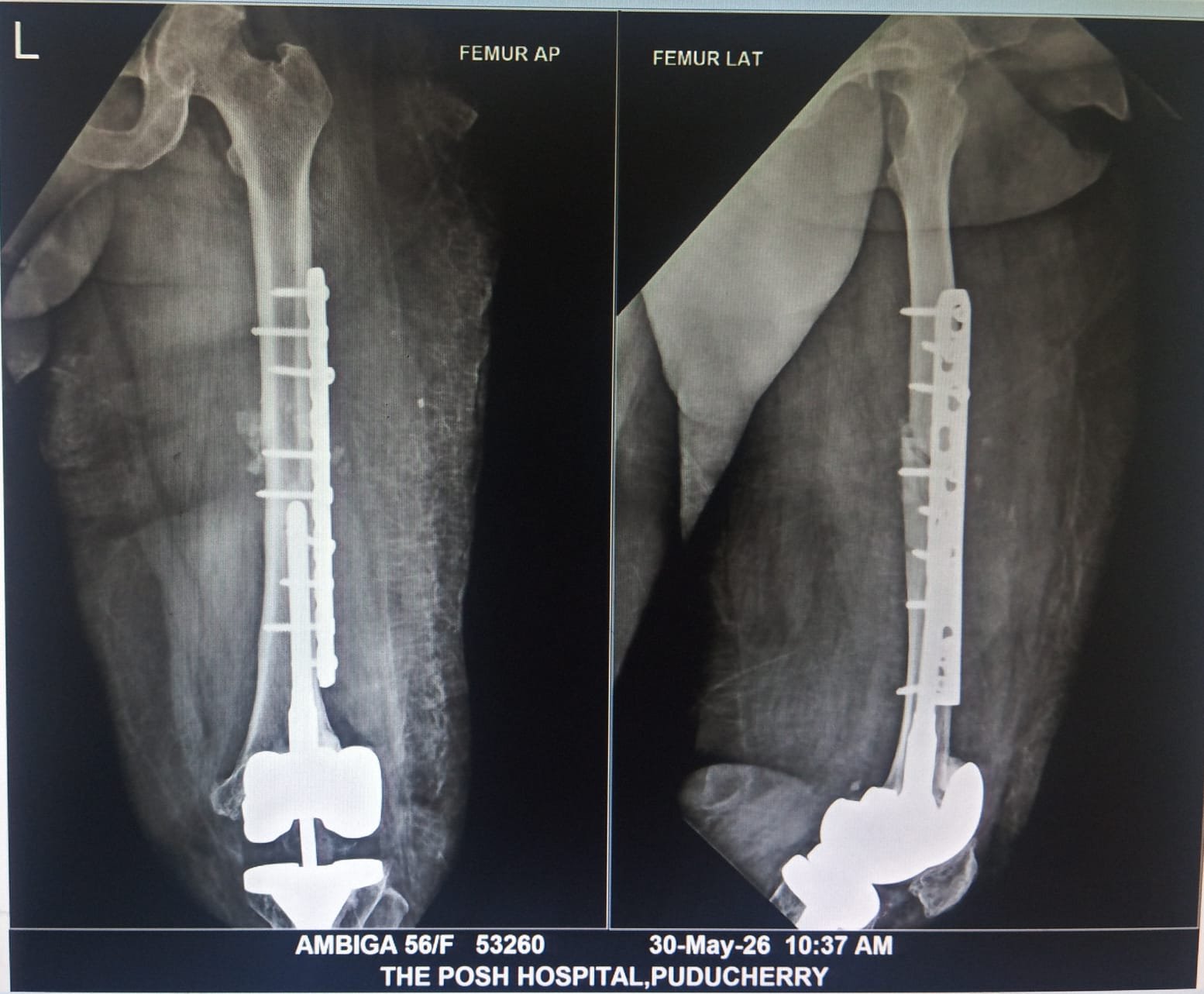
A 56-year-old female patient presented to The POSH Hospital, Puducherry, with severe pain and inability to bear weight on her left lower limb following a fall. She had previously undergone Total Knee Replacement (TKR) surgery. Clinical examination and radiographs revealed a displaced periprosthetic fracture of the distal femur just above the knee replacement implant. Preoperative X-rays demonstrated a spiral distal femoral fracture around a well-fixed knee prosthesis. After thorough evaluation and surgical planning, the patient underwent open reduction and internal fixation using a distal femur locking plate. The fracture was anatomically reduced and stabilized with multiple locking screws, providing rigid fixation while preserving the existing knee replacement implant. Postoperative radiographs confirmed satisfactory alignment and stable fixation of the fracture. The patient was started on early rehabilitation and gradual mobilization under supervision. Follow-up assessments showed progressive fracture healing, good knee function, and significant pain relief. This case highlights the successful treatment of a challenging periprosthetic distal femur fracture using locking plate fixation, allowing preservation of the existing knee replacement and facilitating early recovery. The patient achieved a good functional outcome and was able to return to her daily activities with confidence
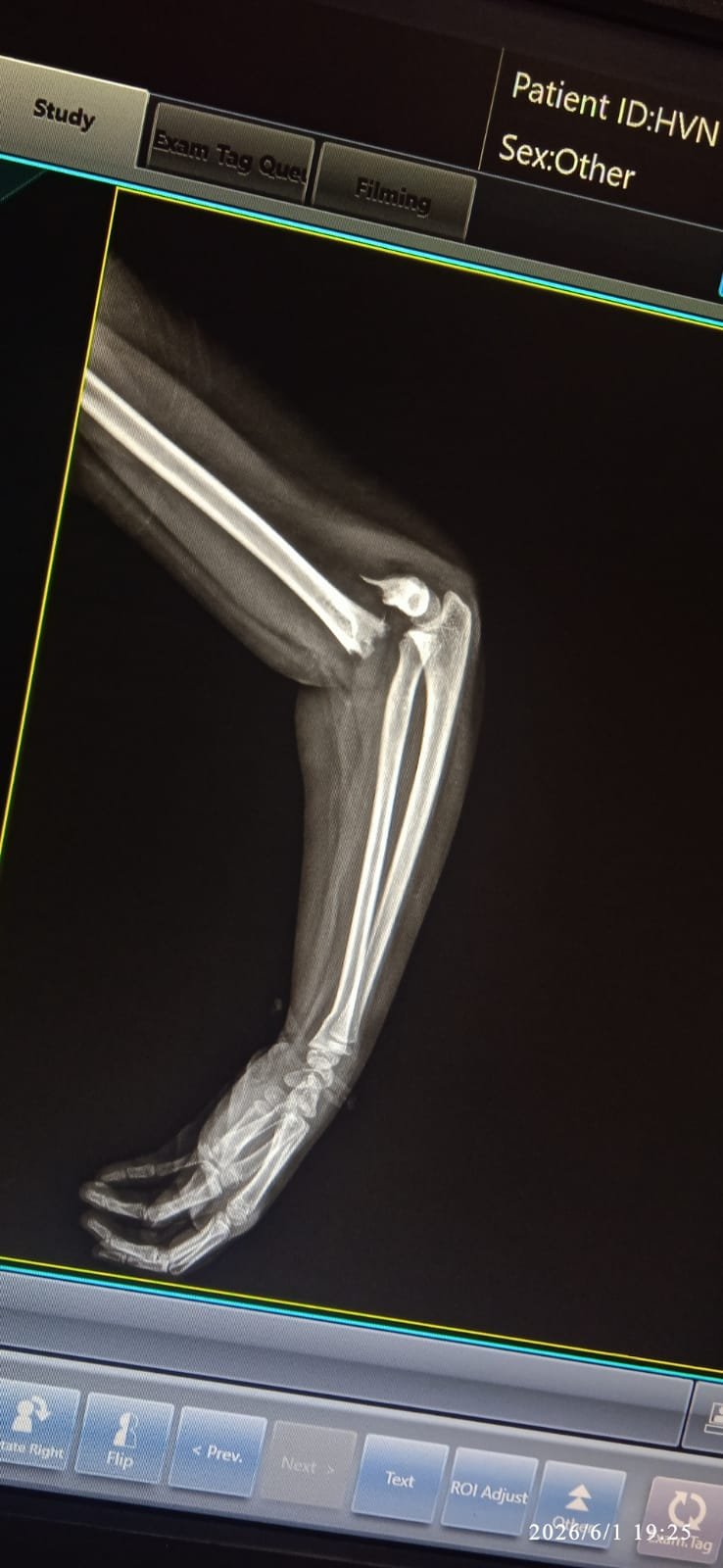
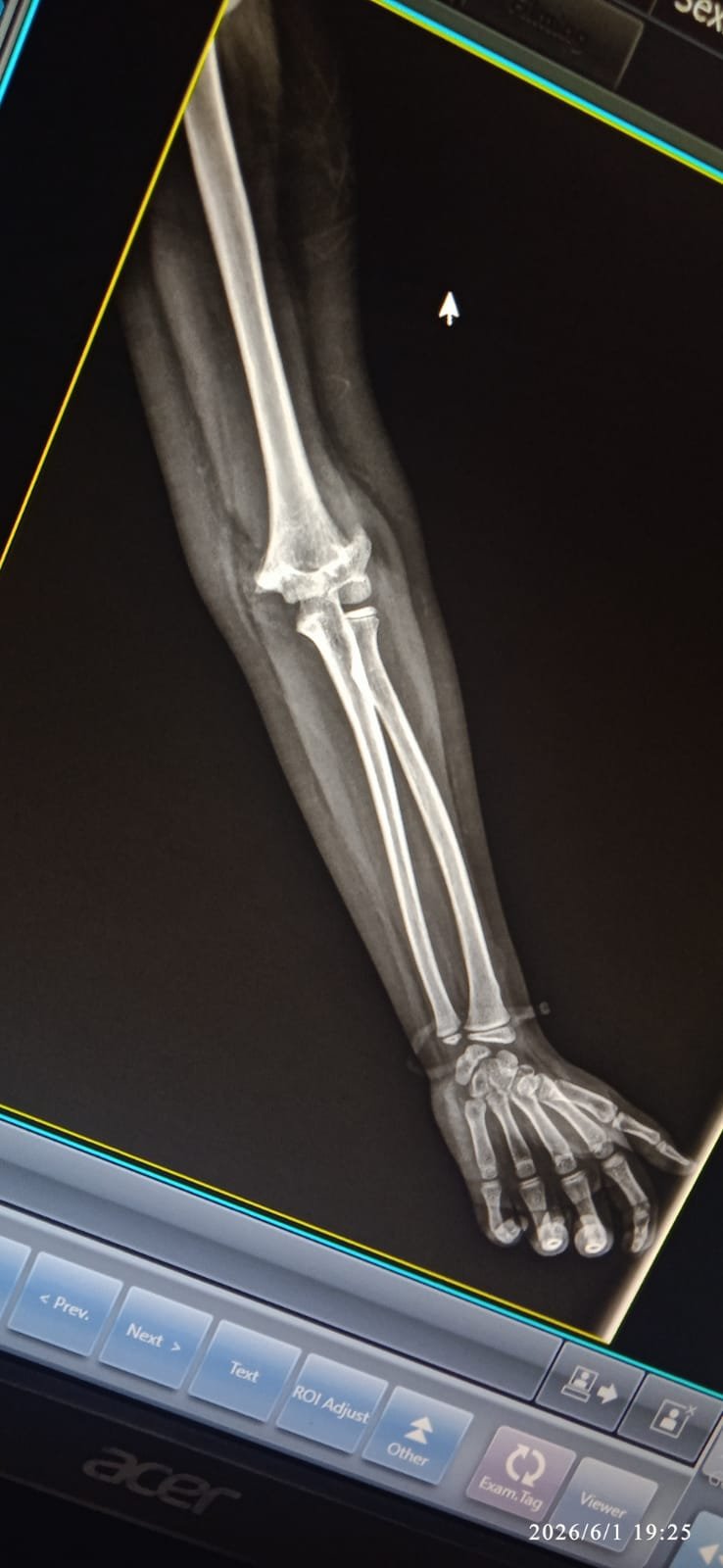
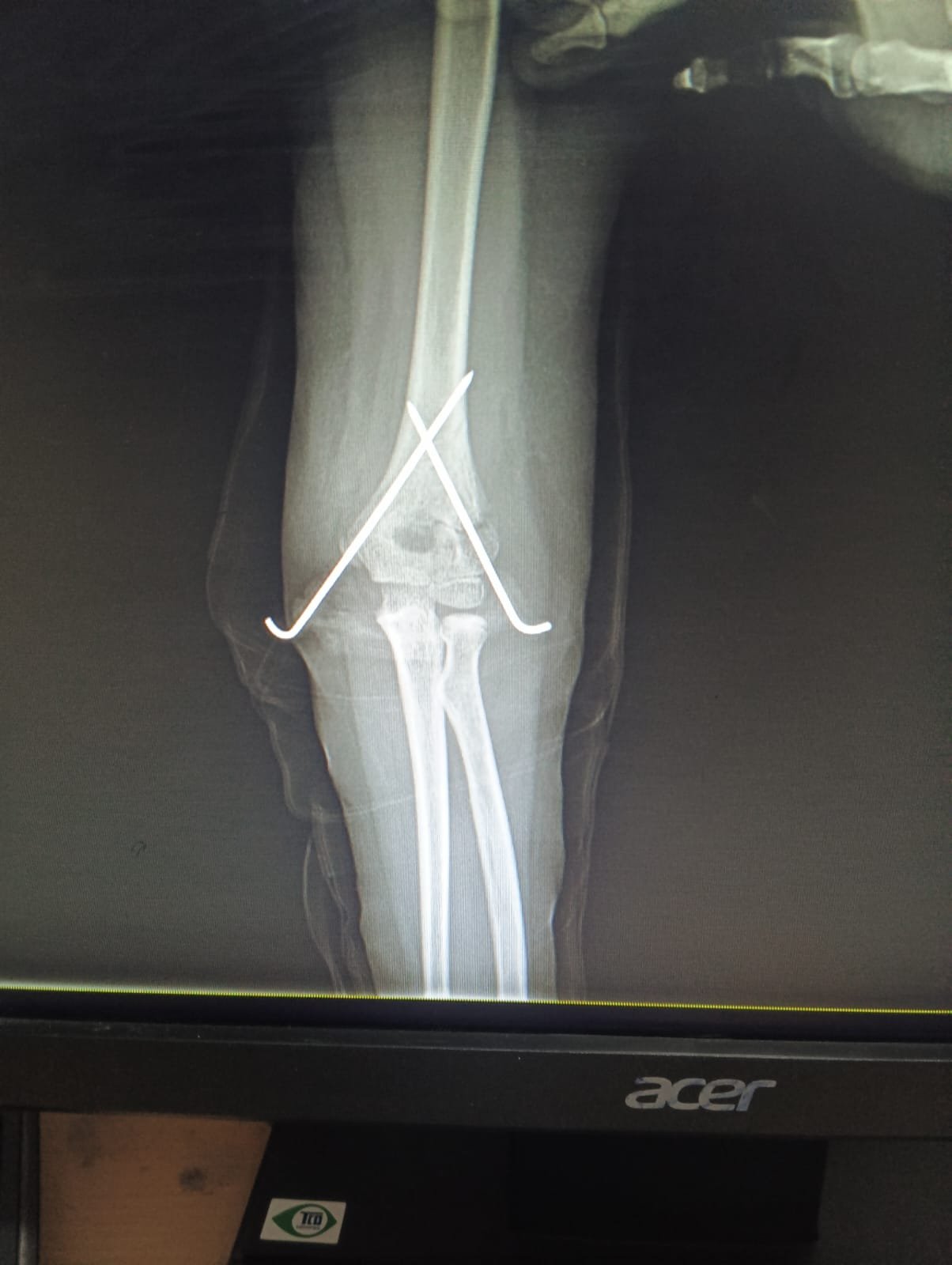
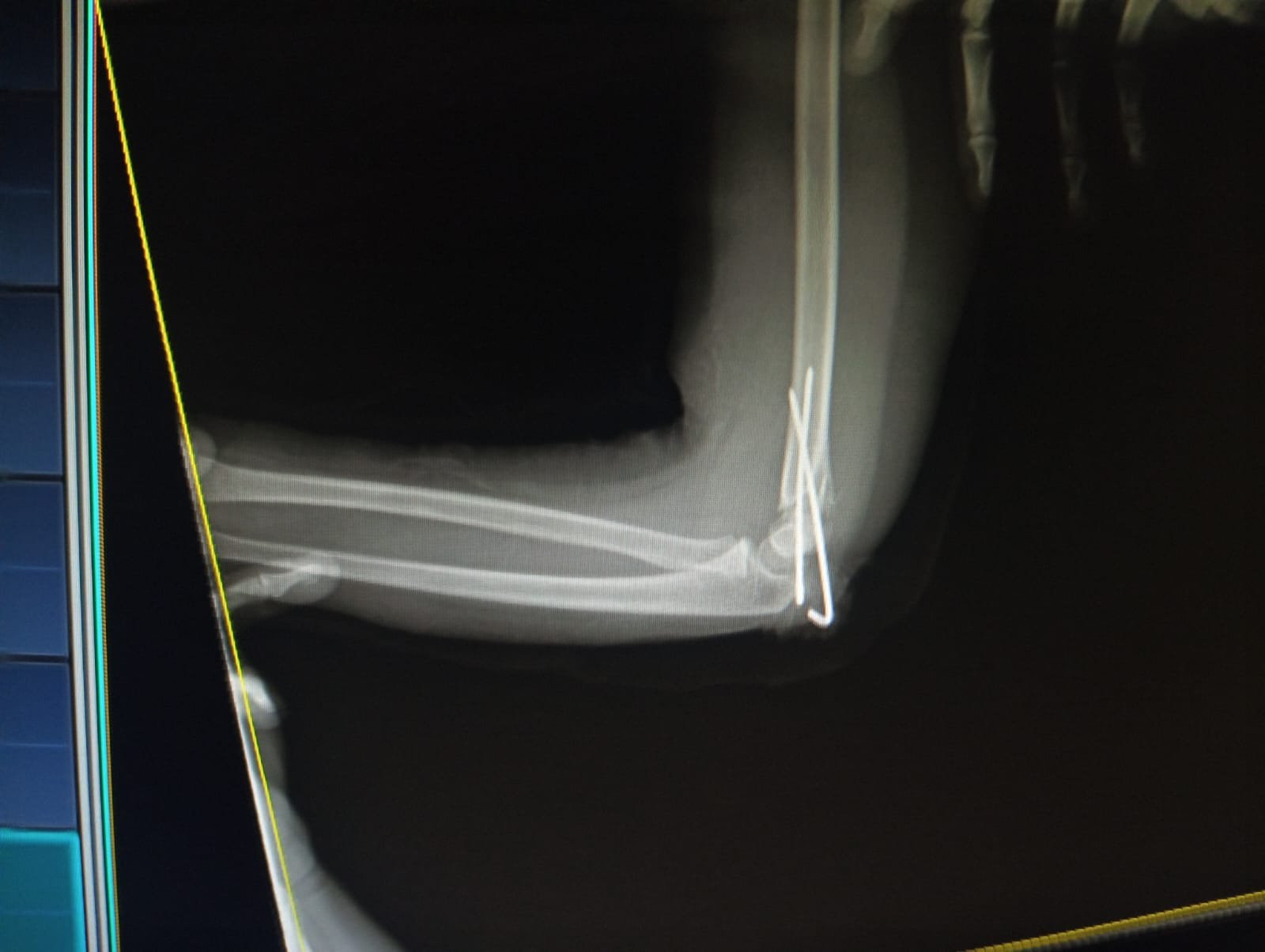
An 8-year-old child was brought to our hospital after sustaining an injury to the elbow. Clinical examination and X-rays confirmed a supracondylar fracture of the humerus. The child also had doubtful radial artery pulsation, raising concern about compromised blood supply to the limb. Recognizing the urgency of the situation, the patient was immediately shifted to the operating theatre. A combined team of orthopedic and vascular surgeons was assembled without delay. Closed reduction of the fracture was performed, followed by K-wire fixation to stabilize the bone. Following successful fracture reduction, the blood circulation to the limb improved, and vascularity was restored within one hour of the patient's admission. The child recovered well after surgery with good limb perfusion and stable fracture fixation. The patient is currently doing well, and the parents are extremely happy with the outcome. This case highlights the importance of rapid diagnosis, teamwork, and timely surgical intervention in managing pediatric fractures associated with vascular compromise
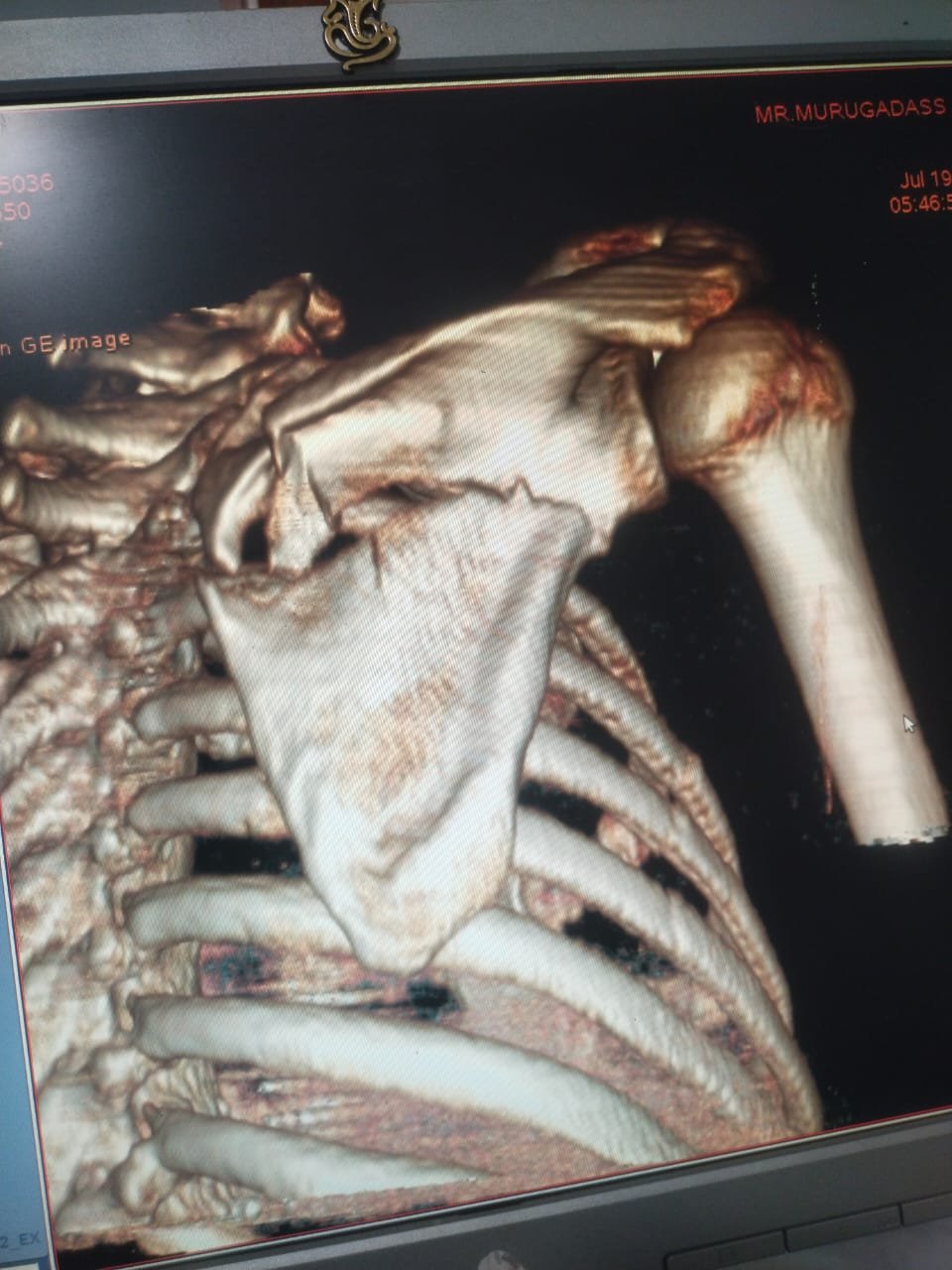
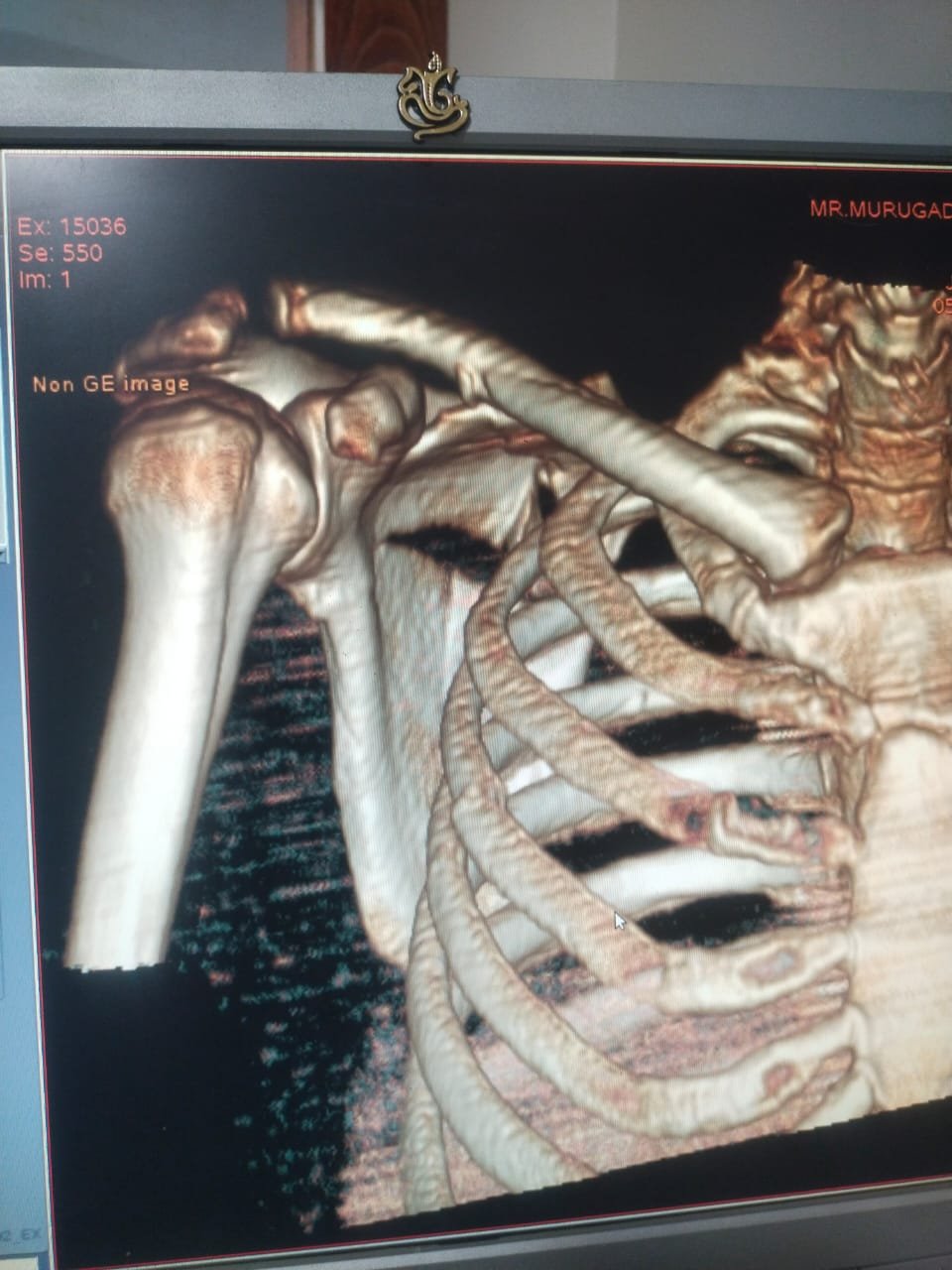
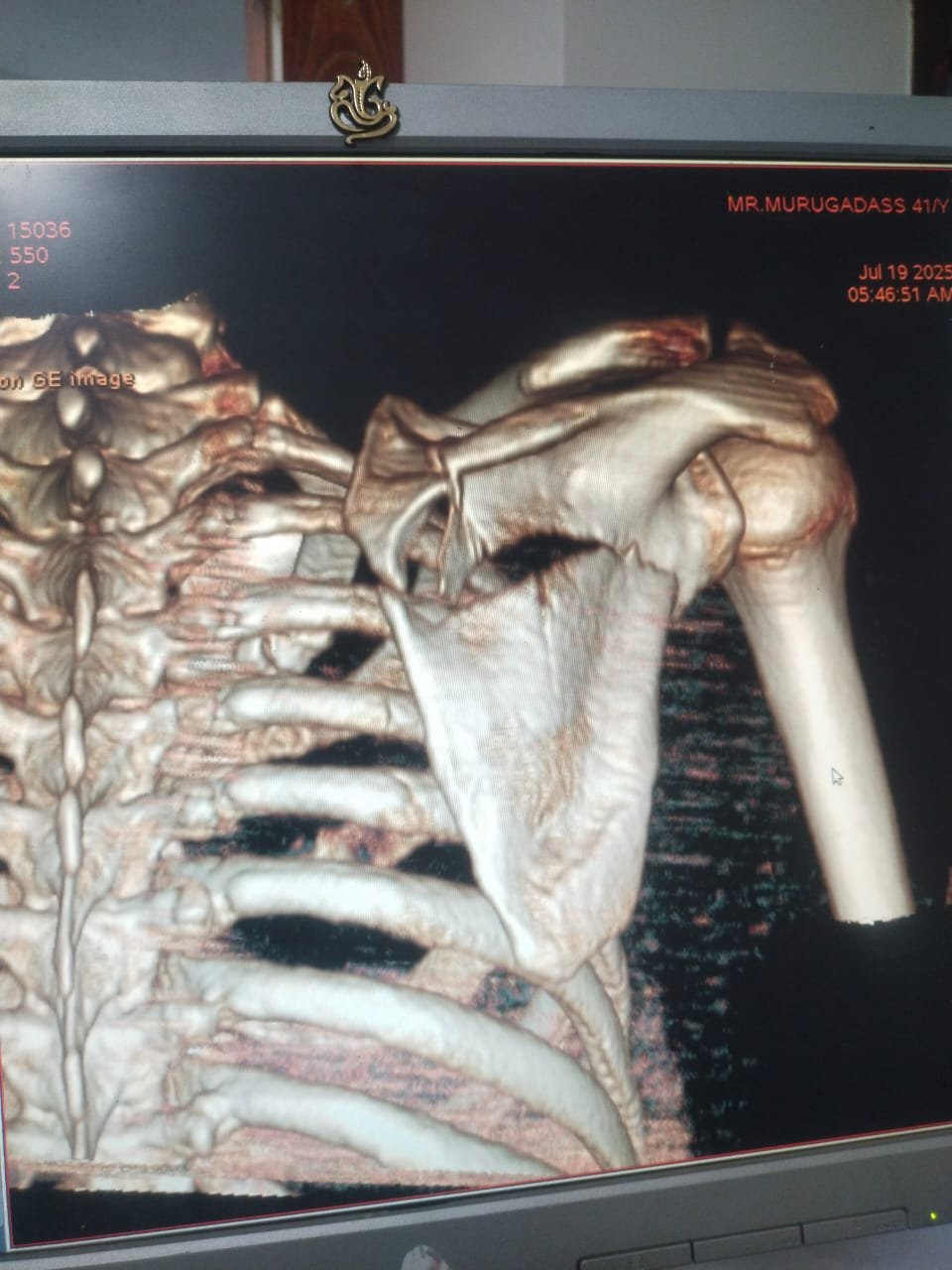
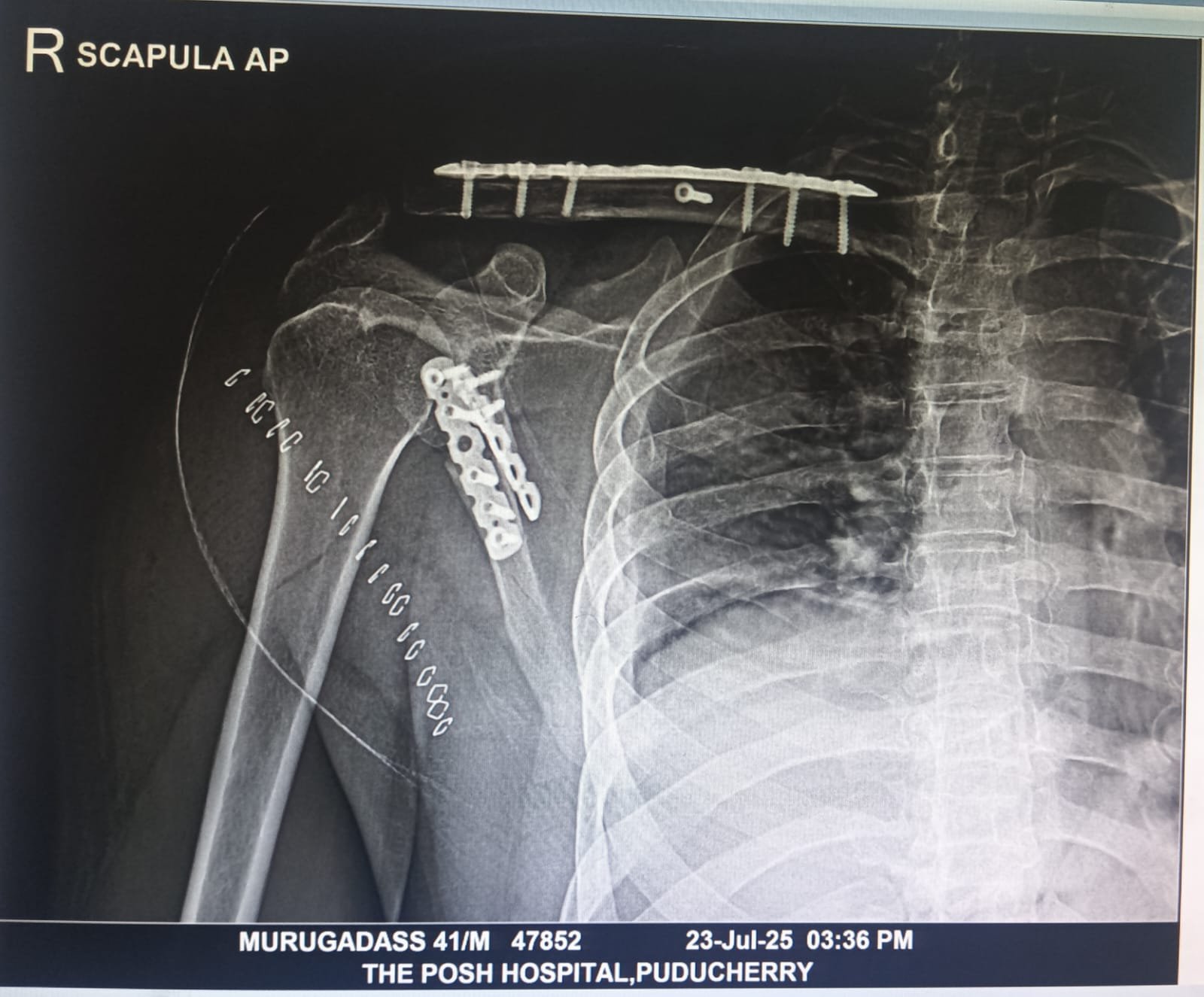
A 41-year-old male patient presented to The POSH Hospital, Puducherry, following a high-energy trauma and was diagnosed with a right clavicle fracture, scapular fracture, and multiple rib fractures. Due to the unstable nature of the shoulder girdle injury and associated pain with limited upper limb function, surgical management was planned. The patient underwent open reduction and internal fixation of both the clavicle and scapula using locking plates. The surgery was performed successfully, restoring the alignment and stability of the shoulder complex. Postoperative X-rays confirmed satisfactory fixation of the fractures. Following surgery, the patient was started on a structured rehabilitation program. His pain gradually reduced, shoulder movements improved, and fracture healing progressed well. At follow-up, the patient had regained good functional use of his right upper limb and was able to return to his routine work and daily activities. This case highlights the importance of timely surgical intervention in complex shoulder girdle injuries, leading to excellent functional recovery and an early return to normal life
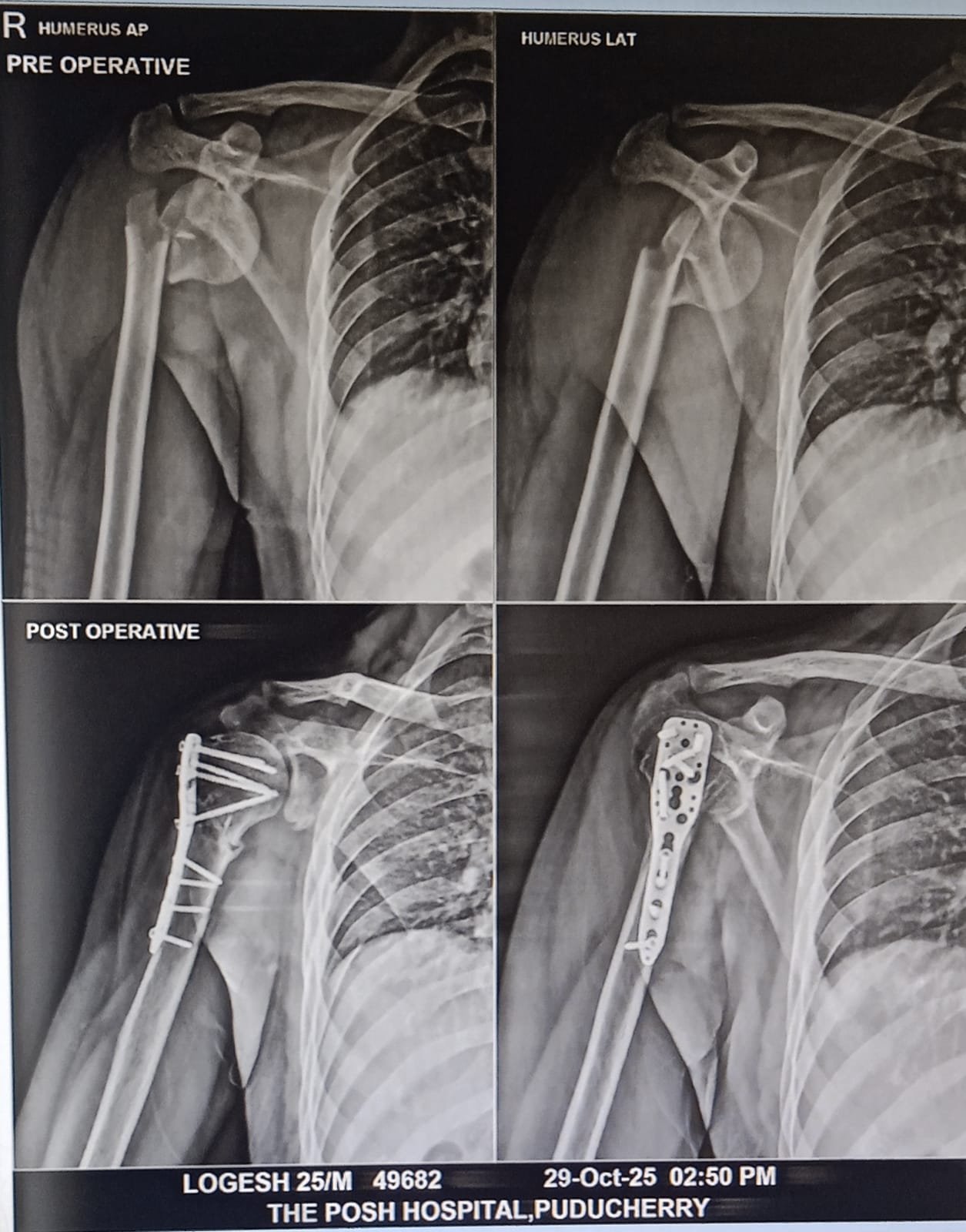
A 25-year-old young man presented to The POSH Hospital following a traumatic injury to his right shoulder. X-rays revealed a significantly displaced fracture of the neck of the humerus (proximal humerus fracture), a condition that can compromise blood supply to the humeral head and increase the risk of avascular necrosis (AVN) if not treated promptly. Considering the patient's young age and the nature of the fracture, an early surgical intervention was performed. The fracture was anatomically reduced and stabilized using a proximal humerus locking plate and screws, restoring proper alignment and preserving the blood supply to the humeral head. Post-operative X-rays confirmed excellent fracture reduction and stable fixation. Early rehabilitation was initiated under supervision to restore shoulder movement and function. The patient has recovered well, with significant improvement in pain and shoulder mobility. He is currently progressing satisfactorily in follow-up visits and is returning to his normal daily activities. This case highlights the importance of timely diagnosis and early surgical management of displaced proximal humerus fractures in young patients, helping to preserve the shoulder joint, prevent complications such as AVN, and achieve excellent functional outcomes. The POSH Hospital, Puducherry remains committed to providing advanced orthopedic trauma care with a focus on early intervention, optimal recovery, and patient-centered outcomes.
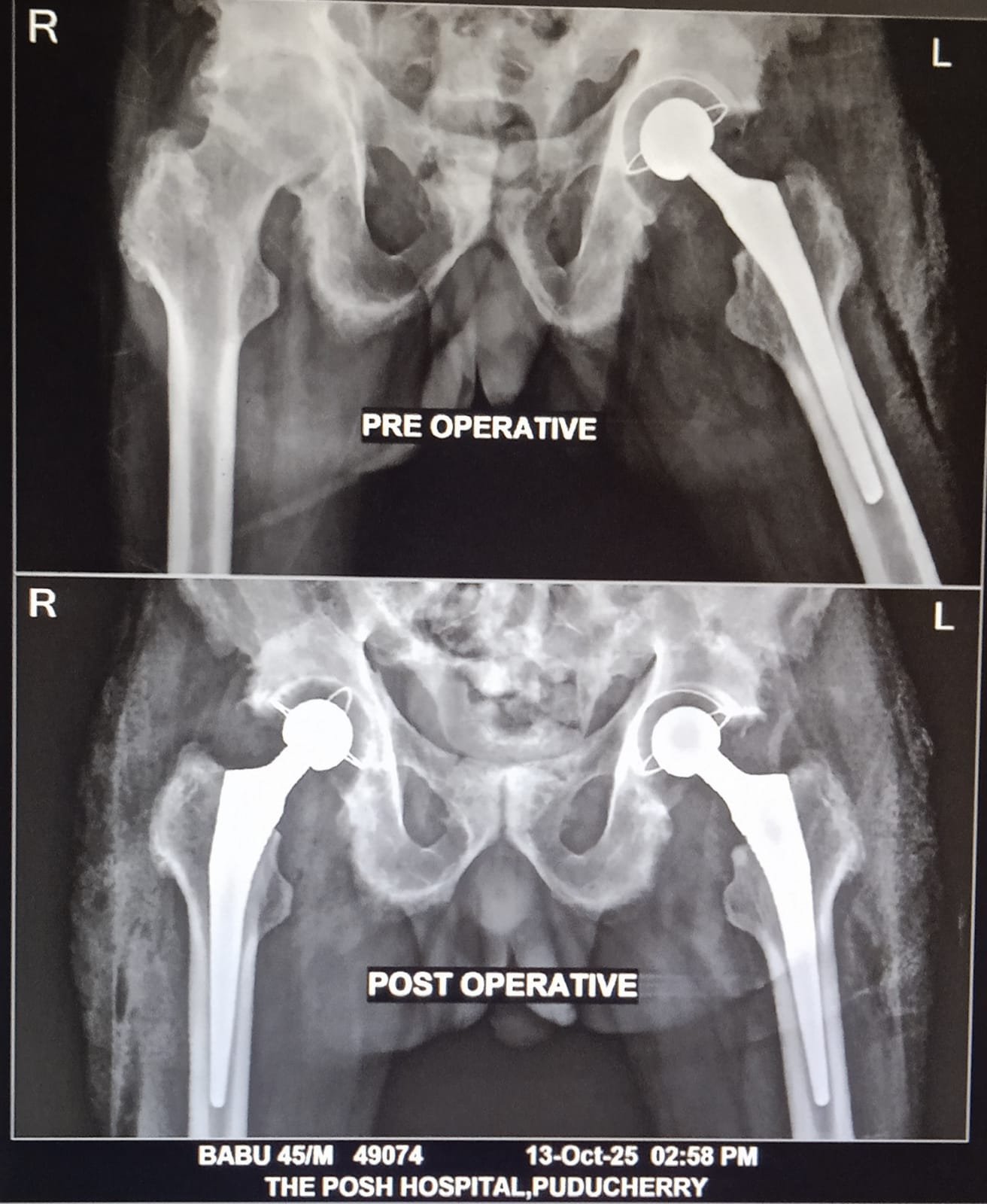
A patient suffering from advanced Ankylosing Spondylitis presented to our hospital with severe stiffness of the spine, hips, and knees. The condition had progressed over several years, causing chronic pain, difficulty in walking, and significant limitations in daily activities. The patient's hip joints were severely affected, leading to restricted movement and constant discomfort. After thorough evaluation and planning, our orthopedic team performed Bilateral Total Hip Replacement surgery. The procedure was successful, and the patient experienced remarkable improvement in mobility and pain relief. Following rehabilitation, the patient was able to walk comfortably, perform daily activities independently, and enjoy a much better quality of life. This case highlights how timely surgical intervention can dramatically improve function and restore independence in patients with advanced Ankylosing Spondylitis. The patient is now pain-free and extremely satisfied with the outcome. At The POSH Hospital, we remain committed to providing advanced orthopedic care and helping patients regain their mobility and confidence.
An elderly patient with severe osteoporosis presented to our hospital after a fall, sustaining a periprosthetic fracture of the distal femur above a previously performed Total Knee Replacement (TKR). Due to the patient's age, poor bone quality, and the presence of a knee implant, the fracture posed a significant surgical challenge. Without proper treatment, such injuries can result in prolonged immobility, loss of independence, and various medical complications. After detailed evaluation and surgical planning, our orthopedic team successfully performed open reduction and internal fixation using a specialized locking plate system. The fixation provided excellent stability around the existing knee replacement while preserving the implant. Post-operative X-rays demonstrated satisfactory fracture alignment and stable fixation. The patient was mobilized under supervision and showed steady progress during recovery. This case highlights the importance of advanced orthopedic techniques in managing complex fractures in elderly osteoporotic patients. With timely intervention and appropriate fixation, the patient regained mobility and was able to return to daily activities with significantly improved comfort and confidence. At The POSH Hospital, our orthopedic team specializes in the treatment of complex trauma and revision-related fractures, helping patients achieve the best possible functional outcomes.